Guide to Hiring the Right San Diego Insulation Contractor

Finding the Right Insulation Contractor for Your San Diego Property Proper insulation is critical for making your San Diego home or building more comfortable, energy-efficient, and safe year-round. In this in-depth blog post, we go over the different types of insulation, average costs, expected energy savings, and tips for hiring the perfect insulation company for your next insulation project. In fact, according to the EPA’s Energy Star program, adding insulation can improve a home’s overall energy efficiency by 10-15%, leading to hundreds of dollars in annual savings on cooling and heating bills. With proper installation and the right insulation R-values, the upgrade pays for itself within a few years. The Benefits of Insulation in San Diego’s Climate San Diego’s climate is mild, with average temperatures ranging from the low 50s in winter up to the mid 70s in summer. But even in this temperate region, proper insulation offers many advantages: Temperature Control – Insulation keeps homes cooler in summer and warmer in winter by preventing conditioned air from escaping. This can reduce the need for air conditioning or heating. Noise Reduction – Insulation helps block outdoor noise from traffic, neighbors, etc. This allows for quiet and privacy. Moisture Control – Insulation resists moisture buildup within walls, which prevents mold, mildew and rotting. Fire Safety – Certain insulation types like rock and fiberglass wool provide an extra layer of fire protection. Pest Resistance – Insulation deters pests like rodents or insects from nesting in walls and ceilings. Savings on Energy Bills – With proper insulation, HVAC systems don’t have to work as hard. This saves homeowners 10-15% on heating and cooling costs. With the right insulation and contractor, you’ll enjoy ideal comfort and efficiency year-round. Types of Insulation for San Diego Homes and Buildings There are several major types of insulation suitable for San Diego’s climate: Fiberglass Insulation Fiberglass is one of the most common and affordable insulation types. It’s composed of small glass fibers bonded by resins. Fiberglass works well for walls, attics, floors, and crawl spaces. The pros of fiberglass include: Low cost (between $0.40-$0.50 per square foot installed) Effective thermal and sound insulation Easy installation for contractors Non-combustible and fire-resistant Potential downsides of fiberglass are that it can absorb moisture over time if exposed and may cause skin irritation during handling. Proper installation and protective barriers are recommended. Cellulose Insulation Cellulose is made from recycled paper products like newsprint. It comes loose or can be sprayed into walls or attics wet and dries rigid. Cellulose insulates well against heat and noise. Benefits include: Low cost (approx. $0.50 per square foot installed) Contains borates as fire retardant Made from recycled materials Can fill small crevices thoroughly when sprayed The drawbacks of cellulose are potential settling over time and vulnerability to moisture damage. Professional installation is key. Spray Foam Insulation Spray foam insulation starts as liquid components that expand and harden to fill cracks, crevices, and spaces. It excels at insulating and sealing. The pros of spray foam include: Expands to fill gaps thoroughly Prevents moisture buildup and pests Excellent insulation against heat and noise Durable material once hardened Spray foam is costlier, running $1.50-$6.00 per square foot installed. It also requires professional installation. Rigid Foam Insulation Rigid foam insulation comes in boards of polystyrene, polyisocyanurate, or polyurethane. It’s commonly used to insulate exterior walls, roofs, foundations, and other surfaces. Benefits include: High insulation value even in thin sheets Blocks moisture from entering building envelope Easy to cut and install around pipes, wires, etc. Provides structural enhancement to building surfaces Rigid foams do carry a moderate cost of $0.90-$1.50 per square foot installed. Joints must be sealed carefully during application. Rockwool Insulation Rockwool, also known as mineral wool or stone wool, is an insulation material made from volcanic rock and recycled slag. It comes in batts or loose fill and has excellent thermal and sound-insulating properties. Rockwool is non-combustible with a high melting point, making it highly fire-resistant. It resists mold growth and repels rodents and insects. Does not absorb moisture Repels water High performance, even when moisture is present Rockwool is a bit pricier, averaging $1.00-$1.50 per square foot installed. It requires careful handling during installation to avoid skin irritation. Wood Fiber Insulation Wood fiber or cellulose fiber insulation is made from wood chips, recycled paper fibers, or other plant materials. It is available as loose-fill, wet spray, rigid boards, or natural fiber batts. Wood fiber insulation is moisture-resistant and uses natural binders rather than chemicals. It provides great insulation from both temperature and noise. Fire-resistant, natural flame retardant Sustainable and contributes to the reduction of environmental CO2 Water repellent Wood fiber insulation is more expensive than traditional options, averaging $1.50-$2.50 per square foot installed. It requires expert installation to achieve proper density and prevent settling. Reflective Insulation Reflective insulation contains sheets of aluminum foil that reflect radiant heat rather than absorbing it. This lightweight material can be used in walls, attics, and crawl spaces. The pros of reflective insulation are: Low cost ($0.35-$0.75 per square foot) Lightweight and easy to install Effective at reducing radiant heat gain/loss Can be combined with other insulation types On its own, reflective insulation has a lower R-value than other types. It also requires a small air gap to function properly. By weighing the pros and cons of each insulation type, you can select the right material for your specific project. A knowledgeable contractor will make recommendations based on your home layout, climate, and budget. Average Costs for Insulation in San Diego According to data from Angi, homeowners pay an average of $1,819 to have insulation installed professionally. However, insulation costs can range widely from as low as $498 up to $4,400 depending on factors like: Type of insulation material used Location and accessibility of installation areas Square footage needing insulation Age and condition
Key Maintenance Tasks for Different Building Types

Mastering SD Maintenance: Guide for Every Property Type As a property manager in San Diego, you know our sunny climate and coastal air can take a toll on buildings. Keeping your properties in excellent shape is vital for pleasing tenants, upholding asset value, and avoiding expenses from deferred maintenance. Studies show that “every $1 worth of maintenance deferred could quadruple to $4 in capital renewal costs later on.” However, maintenance tasks can change enormously based on the type of building. What’s right for a Mission Valley office complex won’t work for a Little Italy restaurant space. At Octo Property Services, we have specialized expertise caring for all building types across San Diego County. In this article, we’ll explore maintenance best practices for different properties so you can optimize operations. We understand each asset’s unique needs to strengthen your buildings. Maintenance for Apartment Buildings Apartment communities have high tenant turnover and constant unit use, needing diligent maintenance for smooth operations. Here are key tasks to tackle: Exterior upkeep – Care for roofs, facades, parking areas, landscaping, and amenities regularly. Curb appeal is crucial. Interior maintenance – Handle turnover cleaning and repairs, hallway refreshes, HVAC servicing, and appliance/plumbing fixes. Develop a turnover checklist. Pest control – Stay on top of treatments given shared spaces and turnover. Treat units frequently. Inspections – Do quarterly unit inspections at minimum to catch issues early. Annual deep inspections are also smart. Preventative maintenance – Don’t defer tasks as problems worsen. Make PM schedules for HVAC, fire safety, plumbing, etc. 24/7 on-call maintenance – Having after-hours staff prevents small issues from becoming big expenses. Amenity care – Keep amenities like gyms, pools, and playgrounds in tip-top shape since they attract tenants. Maintenance for Office Buildings Office buildings need adapting to tenant needs through build-outs and renovations. Maintaining base building systems and common areas is also vital. Focus on: HVAC – Offices have many computers and high occupancy. AC maintenance and upgrades are crucial. Plumbing – Update restrooms regularly in busy office buildings. Check for leaks frequently. Electrical – Provide adequate power and outlets through panel upgrades, submeter installation, etc. Support tech needs. Fire safety – Keep fire systems to code with proper inspections and testing. Elevators/escalators – These get heavy use in offices. Qualified technicians should do frequent maintenance. Cleaning – Keep lobbies, hallways, and restrooms immaculate daily. Tenants notice cleanliness. Exterior – Power wash, repair facades, upgrade outdoor amenities and landscaping to impress. Tenant build-outs – Work closely with tenants to deliver stellar spaces on schedule. Provide prompt issue resolution. Maintenance for Retail Spaces Retail spaces have unique needs as impressions are so important. Provide pleasant, easily accessible, and safe environments to encourage sales. Areas to focus on include: Cleaning – Daily floor care, trash removal, restroom cleaning, and spill cleanup keep spaces pristine. Lighting – Sales floors and displays should be brightly and evenly lit to showcase merchandise. HVAC and electrical – Provide comfortable temperatures and ample power across changing layouts. Parking safety/cleaning – Well-lit lots with smooth surfaces make shopping appealing. Designate accessible spaces properly. Common area care – Keep entryways, sales floors, and fixtures in good repair. Refresh periodically. Security – Working cameras, alarms, and security personnel prevent thefts and accidents. Exterior signs and displays – Visual elements must be accurate, clean, and eye-catching. Store build-outs – Work closely on layouts and merchandising needs through construction and fixturing. Caring for other property types Maintenance needs vary further for other buildings like hospitals, hotels, schools, warehouses, and more. Additional considerations include: Industrial – Durability and utility are key for warehouses and manufacturing sites. Prioritize access, power, roofing, and ventilation. Hospitality – Curb appeal and guest experience are critical at hotels and restaurants, requiring diligent cleaning and amenity management. Healthcare – Strict regulations govern hospitals and clinics. Maintain meticulous records and meet all codes. Prioritize fire, medical gases, and infection control. Educational – Keep classrooms, dorms, and common areas safe and comfortable so students can flourish. Schedule minimally disruptive work. Conclusion: Tailoring maintenance to your properties’ unique needs is vital for delivering maximum value as a San Diego property manager. Following these best practices for different buildings will help you please tenants, maintain asset quality long-term, and position your company as a premier provider. Contact Octo Property Services if you need support refining your maintenance program.
Pro Maintenance Tips for San Diego Facility Managers

San Diego building upkeep? Master guide for managers! As a building or facility manager in San Diego, keeping your properties properly maintained is one of your highest priorities. Proper building maintenance helps to ensure the safety of occupants, preserves the lifespan of buildings, and maximizes property values. But what exactly does an effective building maintenance program entail? In this comprehensive guide, we’ll answer common questions San Diego property managers have about building maintenance and provide tips for developing a maintenance plan that meets your needs. What Does Building Maintenance Include? Building maintenance refers to the regular care and upkeep of a structure’s systems, equipment, infrastructure, and physical makeup. It involves more than just handling issues reactively – true maintenance aims to prevent problems. Maintenance activities include: Inspections: Checking building systems and components regularly for operation and defects. Common inspections cover roofs, plumbing, HVAC, electrical, fire safety, and more. Testing: Testing safety equipment and building systems to confirm proper functioning. This includes emergency lighting, fire alarms, generators, and so on. Preventive maintenance: Proactive servicing done on a schedule to sustain efficiency and lifespan. Examples include changing filters, lubricating parts, verifying fluid levels, and such. Repairs: Fixing equipment defects and breakdowns as they happen. This covers lighting outages, appliance malfunctions, plumbing leaks, HVAC failures, and more. Upgrades: Swapping outdated equipment with newer, eco-friendly models. This includes upgrades to chillers, boilers, insulation, windows, lighting, and so on. Cleaning: Regular cleaning of building exteriors and interiors to maintain sanitation and aesthetic appeal. Tasks include pressure washing, window washing, carpet cleaning, and so on. So in short, building maintenance includes the array of tasks needed to sustain proper functioning, integrity, cleanliness, and curb appeal of a structure over the long run. Goals of a Maintenance Program Effective building maintenance pursues goals like: Maximizing building lifespan: Catching issues early on prevents accelerated wear and tear over time. Optimizing system performance: Well-serviced equipment functions better for longer, reducing costs. Enhancing occupant safety: Identifying loose rails, faulty electrical, and other hazards reduces risks. Upgrades also boost safety. Improving aesthetics: A clean, tidy property conveys positive impressions to occupants and visitors. Meeting legal and regulatory codes: Maintenance sustains compliance with fire, electrical, accessibility rules, and other laws. Reducing lifetime costs: Paying for remediation of deferred maintenance ultimately costs far more than being proactive upfront. In short, diligent building maintenance boosts integrity, system performance, safety, appeal, regulatory compliance, and cost efficiency of properties over the long run. Tips for an Effective Maintenance Plan If aiming to implement successful maintenance for your properties, tips include: Inspect thoroughly and often using detailed checklists to avoid overlooking hidden issues. Follow manufacturer guidelines for servicing equipment. Retain all manuals onsite. Hire qualified licensed professionals for specialized systems like electrical, plumbing, and HVAC. Focus on prevention by proactively addressing minor defects before they become major failures. Install real-time remote monitoring systems to complement hands-on inspections. Consult resources like BOMA and IFMA for maintenance best practices. Analyze utility usage patterns, as irregular consumption may indicate a maintenance need. Automate basic tasks like temperature adjustments to reduce labor time. Evaluate cost/benefit of tasks to determine ROI in terms of tenant experience, cost savings, and property integrity. Outsource specialized work like pressure washing and carpet cleaning to qualified vendors. Continually train personnel on proper protocols for newer equipment and technologies. Use documented maintenance histories to accurately budget and plan for future major capital projects. In summary, excellent maintenance sustains building integrity, optimizes operations, reduces overall costs, and keeps occupants satisfied and comfortable. Octo Property Services: Your Maintenance Partner Octo Property Services assists facility managers to maintain both residential and commercial properties in San Diego. We offer customized maintenance plans, property inspections, repairs, upgrades, and free estimates. Octo’s diligence, expertise, and responsiveness provide the reliable maintenance San Diego buildings require. Contact us about sustaining your properties today!
What Do HOA Management Companies Do?

What Do HOA Management Companies Do? Homeowners associations (HOAs) manage and maintain common areas and enforce policies for the benefit of residents in planned communities. Handling the day-to-day operations and long-term management of an HOA requires specific expertise, which is why many associations hire professional community management companies. This guide will explain the typical services an HOA management company provides and when HOA management companies should consider outsourcing maintenance for improved efficiency. What HOA Management Companies Do and When to Outsource? HOA management companies handle administrative, financial, maintenance, and other duties for community associations. They work as partners with HOA boards but don’t make final governing decisions. Typical services HOA management companies provide include: Budgeting and managing finances Keeping records Making sure common areas are maintained Enforcing HOA rules Supporting HOA boards Getting insurance coverage Giving legal guidance Communicating with residents Planning community events With maintenance, management companies coordinate and oversee vendors and contractors for common area maintenance tasks like: Landscaping Janitorial cleaning Pool care General repairs Painting Asphalt sealing Importance of Common Area Maintenance The common areas are what create a consistent appearance and comfortable living environment across the HOA. These community assets include features like: Roads and Parking Lots Sidewalks and Lighting Landscaping and Greenspaces Amenity Areas like Pools, Clubhouses, and Playgrounds Fencing, Gates, and Signage Regular upkeep of these common areas promotes: Property value retention Better curb appeal to prospective buyers Increased resident enjoyment and usage Safer, more accessible grounds for all ages Reduced complaints and fewer association headaches Common area maintenance requires attention to detail, responsiveness to issues, and continuity of care for the common association’s assets. Overseeing Capital Improvements Capital improvements encompass major upgrades to common areas like: Pool resurfacing New roofing on community buildings Sidewalk replacement Athletic court enhancements Irrigation system overhauls Security system installations Lighting and electric retrofits Capital improvement projects require oversight stages including: Inspections and Needs Analysis Bidding and Contractor Selection Permitting and Budget Planning Contracts and Schedule Management Documentation and Project Closeout While management companies don’t have to facilitate capital improvements alone, their guidance on HOA boards’ long-term planning is essential. The Problem with Self-Performing Maintenance Trying to handle all maintenance in-house strains resources and distracts from other priorities. This often leads to: Inconsistent service quality Repairs and requests falling through cracks Limited budget visibility Increased safety risks Frustrated residents and boards The Solution – Outsourced Maintenance Partners Outsourcing maintenance allows management companies to focus on their core competencies while leaving repairs to dedicated specialists. Look for partners that: Possess licensing, bonding and insurance Have extensive HOA experience Provide 24/7 emergency services Use tracking software for work orders Practice environmental sustainability Smoothly integrate with existing processes Let a Specialist Handle Maintenance HOA management companies juggle many complex responsibilities. Outsourcing maintenance through an expert vendor optimizes operations so you can focus on priority services for your associations. Here at Octo Property Services we specialize in customized HOA maintenance solutions, allowing efficient coordination through your office and community. Contact us to discuss maintenance outsourcing that fits your community’s needs!
Are Property Maintenance Fees Tax Deductible?

Are Property Maintenance Fees Tax Deductible? As a San Diego landlord or property manager overseeing investment properties, getting the most our of your tax deductions is key to lowering your taxable income. A common question is whether property maintenance service fees are deductible. The answer is yes, maintenance expenses can qualify as deductible rental property costs. We explore: Which maintenance fees qualify for deductions (and where to find San Diego-specific info) Simple steps to track and claim deductions for maximum savings Common deductible expenses and smart upgrades that benefit you and your tenants How property management services can simplify expense tracking and deduction claiming Maximizing Tax Deductions for Property Maintenance Fees Get the most with your tax deductions by: Tracking all rental property maintenance invoices, payments, dates to verify deductible expenses. Consulting a qualified San Diego accountant on maximizing depreciation deductions when upgrading systems. Separating all personal and rental property expenses to properly document business deductions. Establishing preventative maintenance programs to demonstrate “ordinary and necessary” deduction status. Streamlining property management by using software to log deductible maintenance requests, repairs, supplies. What Qualifies as a Deductible Fee? For fees to be deductible, services must relate directly to operating, maintaining, or repairing your San Diego rental properties. Examples include: HVAC repairs Landscaping Pool service Trash pickup Pest control Plumbing fixes Electrical work Handyman tasks and more You can deduct full amounts paid for these maintenance services in the tax year expenses occurred. Track detailed invoices and receipts to substantiate deductions claimed on tax returns. Upgrades May Need Depreciating Over Time Upgrades that extend the lifespan of rental property systems or structures may need to be depreciated over several years instead of deducted in one tax year. Depreciation allows a portion of an asset’s cost to be deducted each year over the asset’s useful lifespan. For example, if you upgrade a rental property’s HVAC system for $10,000 that has a 10-year lifespan, generally you can deduct $1,000 per year for 10 years through the depreciation deduction. This allows tenants to share the asset costs over time through rent payments versus the landlord deducting the full upgrade cost in year one. Tax depreciation deduction rules can be complex for real estate assets. Factors like the asset type, whether used for business or personal, and optimal deduction strategies impact returns. Consult a qualified San Diego tax accountant or CPA on the optimal way to depreciate upgrades to maximize available property tax deductions over time. They can ensure you fully leverage available depreciation deductions. Deductions for Self-Managing vs Using Property Management Landlords If you self-manage your San Diego rentals, many property management tax deductions are available to reduce your tax bill. All fees paid to a property management company are typically deductible. Typical fees paid to the property management company include the management fee, or any potential maintenance or additional service fees incurred for their work. Property managers handle the day to day involvement, while landlords can still continue to claim all associated tax deductions. Common Deductible Expenses Common deductible expenses for San Diego rental property managers include: Advertising Cleaning Insurance Interest Management fees Repairs Supplies Utilities Yard maintenance and more. As long as the deduction are related to rental business expenses, they can be deducted. Furthermore, the deductions must qualify as “ordinary and necessary” for your rental business. For instance, if a trip combines rental property tasks and personal activities, you can only deduct related travel costs. Properly Documenting Deductions Carefully tracking and retaining all San Diego rental property invoices, expenses, payments and related tax documentation is essential to substantiate deductions and maximize tax savings. Establish clear accounting procedures to separate personal costs from legitimate business expenses. Review records monthly to ensure everything is well organized by category and properly coded for taxes. Work closely with a qualified tax advisor or certified public accountant specializing in rental properties to confirm you are capturing all viable deductions and optimizing your tax filings. Provide them with detailed supporting materials needed to validate business expenses, prove deduction eligibility and prepare your annual tax returns. Failing to properly document San Diego property management deductions could mean losing out on substantial tax savings to which you are legally entitled. Implementing disciplined tracking and accounting processes helps justify all rental expenses claimed. Strategic Upgrades Lower Expenses Upgrading to more energy and water efficient HVAC systems, lighting, appliances, fixtures and other components can reduce monthly utility bills in rental properties. Replacing older inefficient systems with new green equipment can lower electric, gas and water usage. Smart thermostats, LED bulbs and low-flow plumbing fixtures provide ongoing utility savings. When evaluating potential upgrades, calculate the return on investment and payback timeframe to determine cost effectiveness. Work with reliable vendors who provide warranties on parts and labor. Educate tenants on properly operating new systems to optimize financial and environmental savings. Consult a certified public accountant to leverage any available tax rebates, credits and deductions for green property upgrades. Use property management software tools to simplify logging and tracking all maintenance requests, repairs, supplies and services. This streamlines managing tenant work orders while also documenting expenses for tax deductions. Cloud-based portals give San Diego tenants 24/7 self-service access to submit and monitor maintenance requests instead of relying on phone calls. Automated tracking provides accountable performance records when tax time comes. Comprehensive Maintenance Services with Octo Property Services At Octo Property Services, our comprehensive maintenance, repair and renovation services are tailored for San Diego property managers and landlords. Contact us for a free estimate on services to optimize your rentals and maximize tax deductions. Keeping your investment properties well-maintained and operating smoothly results in happy tenants, lower expenses and higher returns.
Rent Higher, Spend Less: 5 Cost-Cutting Tips

5 Ways To Reduce Operating Costs of Your Rental Property As a landlord or investor overseeing investment properties in San Diego, keeping operating costs down is crucial for maintaining positive cashflow. From maintenance and repairs to property taxes and insurance, expenses can quickly eat into your bottom line. As an experienced property maintenance company, we provide direct maintenance and repair services for landlords and property managers in San Diego. We’ve identified five key ways you can reduce operating costs for your investment properties. 1. Perform Preventative Maintenance Being proactive with maintenance helps avoid more costly repairs down the road. Create a schedule for tasks like inspecting roofs and gutters, checking plumbing fixtures, HVAC tune-ups, testing smoke detectors, and monitoring for pest infestations. Provide regular maintenance checklists for onsite property managers. For DIY landlords, blocking off time monthly to assess properties can help catch issues before they worsen. For vacant units between tenants, thoroughly inspect, clean and make minor repairs to prepare the unit to quickly re-rent. 2. Upgrade to Energy Efficient Systems Replacing outdated appliances, windows, lighting and HVAC systems with EnergyStar rated options can significantly reduce electric, gas and water bills. Although initial costs may be higher, the long-term payoff makes upgrades worthwhile. New systems also appeal to prospective tenants, allowing you to justify slightly higher rents. Our licensed technicians handle full installations and can recommend rebates and incentives to offset upfront costs. Simple upgrades like low-flow faucets and showerheads, programmable thermostats, and LED bulbs also contribute savings. 3. Renegotiate Vendor Contracts Review all service contracts yearly and compare pricing from multiple vendors before renewal. We leverage our buying power with suppliers to negotiate discounts for clients on everything from janitorial services to pool maintenance contracts. For newly acquired properties, conduct an immediate audit of existing contracts to identify potential savings. 4. Streamline Management Systems Leveraging technology to systemize accounting, maintenance requests, rent collection and communications can majorly minimize administrative costs. Centralized property management software allows remote monitoring and response in real time. Online portals allow tenants to directly submit and track maintenance requests 24/7. Automated rent collection via ACH or online tenant portals reduces processing fees and delays. Using one platform to handle all operations provides consolidated reporting and cost analytics. 5. Increase Tenant Retention Minimizing turnover by keeping tenants happy and in place longer avoids expenses associated with vacancy periods and unit turns. Providing prompt, quality maintenance service reduces tenant concerns and incoming complaints. Upgrading finishes and features during turns improves marketability and offering lease renewals with modest increases rewards reliable long-term tenants. Our teams handle the full turnover process from repairs to deep cleans so units are rapidly re-rented. Conclusion Reducing operating expenses takes continuous effort, but the payoff for rental property owners is well worth it. By being proactive with maintenance, making strategic upgrades, streamlining management, retaining tenants longer, and leveraging professional services, landlords and investors can maximize returns. With the right systems and support team in place, your investment properties will operate smoothly for years to come. At Octo Property Services, our comprehensive maintenance, repair, and renovation services are designed specifically to meet the needs of property management companies and landlords. We make managing investment property maintenance easy with transparent pricing, licensed technicians, and guaranteed response times. Contact us today to see how we can streamline your maintenance and reduce overall operating costs for your rental investments!
Ultimate Guide to Bathroom Remodels in San Diego

Everything San Diego homeowners need to know before remodeling their bathrooms – costs, layouts, materials, permitting, space utilization, and more.
Protect Your San Diego Home From Water Damage

Prep for the Rain: Protect Your San Diego Home from Water Damage With so much rain this year and even more rain forecasted this week, San Diego homeowners need to take steps to protect their property from potential water damage. As a trusted renovation and property maintenance company out of San Diego, we want to provide homeowners with helpful tips on inspecting their homes, preventing issues, and addressing any water damage that may occur. Read along for expert tips on how to prep for the rain as a San Diego homeowner, and protect your home from water damage before it leads to a more costly remediation down the line. Inspect Your Roof Before the Rain Arrives The roof is the first line of defense against rain. Inspect it carefully ahead of forecasted rain and wet weather. Be sure to: Look for any cracked, missing, or loose shingles or roof tiles. Repair them quickly to prevent leaks. Clear your roof and gutters of any debris that could obstruct water flow. Consider having a professional inspect and service your roof annually prior to rainy season to avoid any surprises. Most importantly, address any issues immediately to stop small problems from becoming major leaks. Check Exterior Fixtures, Doors and Windows Walk around your home and check any exterior fixtures, such as light fixtures, electrical outlets, vents or fans. Make sure they are properly sealed so water cannot enter around the edges. Caulk around doors and windows if any gaps are visible. Ensure door sweeps and weather-stripping provide a tight seal Replace any worn door seals and window gaskets. Consider having exterior wood doors refinished if the elements have caused them to warp. Look For Trouble Spots Inside Your Home Do a walk through of your home’s interior to spot any places that have leaked before or may be susceptible to water intrusion. Pay special attention to the ceiling around chimneys, plumbing access panels, attic hatches and ceiling fans. Check walls near doors and windows for any visible moisture or cracks. Consider placing buckets under known trouble spots to catch drips. Keep an eye out for damp spots so you can address leaks quickly. Damp spots may appear darker or lighter than surrounding materials, feel cool to the touch, or eventually lead to bubbling or peeled paint and plaster. Gently press on questionable areas to detect moisture – soft, spongy sections likely indicate trapped water. Mold or mildew growing on surfaces also signals excess moisture. Monitoring your home’s interior often makes it easier to detect dampness early before major damage occurs. Know Where to Shut Off Your Water Supply It is important to know how to shut off your water supply in the event of an emergency: Locate your main water shut-off valve so you can turn off the water immediately in the event of a major leak. This could help prevent flooding and limit water damage. Make sure the valve turns easily prior to the rain so you won’t have issues shutting off the water when needed. Also locate your electricity panel in case you need to shut off power. Clear Gutters and Downspouts Clogged gutters are a common cause of roof leaks and water intrusion. When servicing your gutters and downspouts: Clear out leaves, sticks and other debris so rainwater can flow freely. Use a ladder safely or consider hiring a professional gutter cleaning service. Make sure downspouts direct water several feet away from your home’s foundation to prevent puddling and moisture damage. Consider installing gutter guards to prevent future clogs. Slope Soil and Hardscape Away from Home Proper grading around your home should slope away from the foundation to channel water away. For soil and hardscape: Check that bare soil, lawns, flower beds, patios and walkways all slope at least 1/4 inch per foot. Add soil or gravel as needed to create a slope and fill in any low spots near the foundation. To improve drainage around your home, you can install French drains, extend downspouts, create rain gardens with gravel and native plants, or re-grade and landscape your yard with berms and bioswales to channel stormwater away from the foundation. Have an Emergency Plan in Place A safe motto to hold is to hope for the best but prepare for the worst when it comes to flooding. Have an emergency plan and know where to go in case you need to leave your home. Keep your insurance company’s number handy and have backup photos of everything. Should damage occur, you still have access to all pertinent documentation. Know how to shut off electricity, gas and water supplies. Have supplies like handbags tarps and pumps ready. Being proactive will help minimize headaches if major flooding occurs. Act Quickly If Leaks or Water Intrusion Occur If a leak occurs, do what you can to contain the water immediately. Immediate and proactive steps to take include: Placing buckets or bins under drips or move furniture and belongings out of the way. For safety, wear rubber gloves and boots when cleaning up water. Stop the leak at its source as soon as possible by patching holes, drying out wet spots and making repairs. Extract standing water with a wet/dry vacuum or sump pump. Remove wet carpets, padding and other flooring materials to dry out the sub-flooring. Be proactive about controlling moisture and drying out affected areas quickly to prevent mold growth. Consider hiring water damage restoration professionals, like Octo Property Services, if flooding exceeds your DIY abilities. Inspect and Make Repairs After the Storm Once rains have subsided, thoroughly inspect the interior and exterior of your home again. Look for signs of leaks, moisture or damage that may have been hidden or developed after the initial storm. Gently test areas of plaster, drywall and paneling for hidden moisture. Inspect the attic, crawl spaces, insulation and ventilation. Make repairs to the roof, siding, walls, floors or landscape if needed to
How To Prevent Water Damage In Your San Diego Property
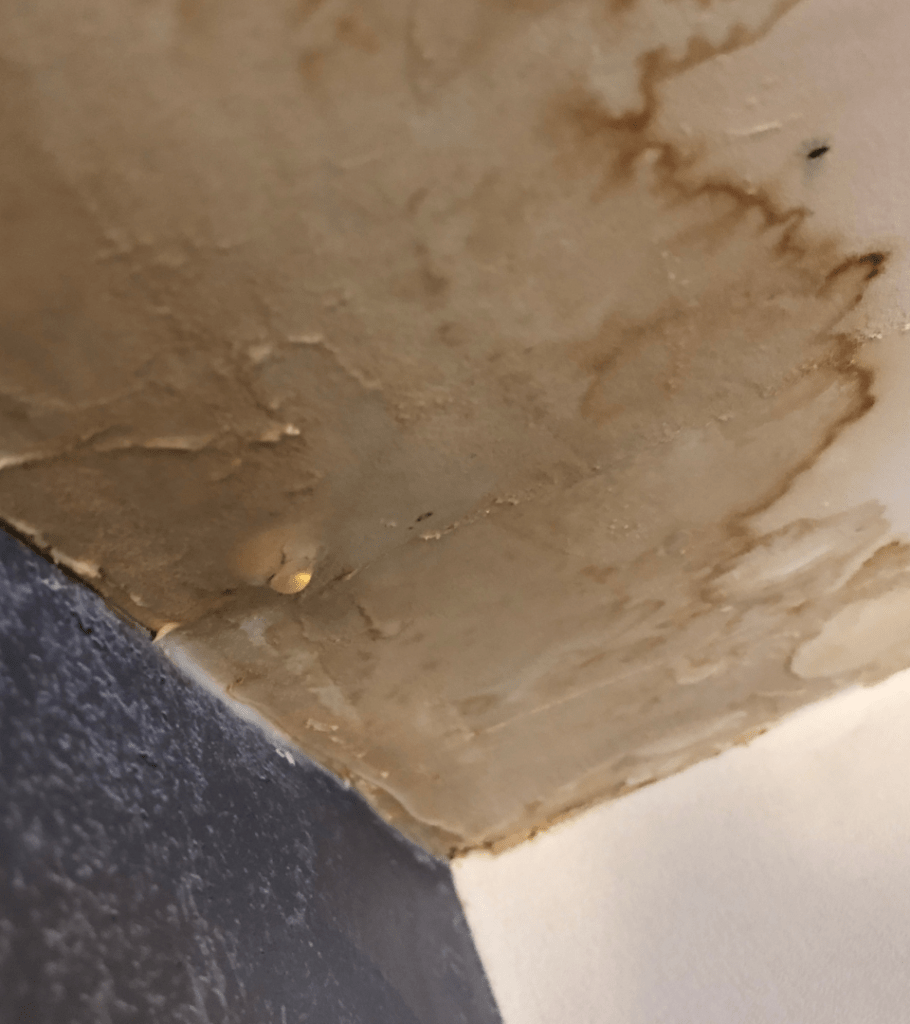
San Diego Homeowners: How To Prevent Water Damage Water damage can be extremely disruptive and expensive for homeowners. Repairing flooded properties…replacing damaged belongings… mitigating mold growth… All of this combined often costs between $10,000 to $20,000 and the potential to create undue financial stress. While completely avoiding water damage is impossible, homeowners can take proactive prevention measures to reduce the likelihood of costly water disasters. We discuss comprehensive tips San Diego homeowners can use to reduce the risk of water damage in their homes. By putting these practical measures into action, you can lower the chance of expensive and frustrating water damage incidents. Inspect Plumbing and Appliances Many people might assume that most water damage is attributed to weather. But, one of the top causes of water damage is leaky plumbing or faulty appliances. It is important to be proactive and regularly inspect the following areas: Pipes – Check under sinks for signs of leakage like water spots or rust stains. Inspect that pipes are properly secured. Replace fixtures or pipe segments if corrosion is present. Toilets – Jiggle toilet handles to test for proper shutoff. Inspect bases for cracking or looseness. Make sure water supply lines are tight with no drips. Washing machine hoses – Replace rubber hoses every 5 years. Check that connections are tight. Position hoses to prevent kinks. Dishwasher – Test door gasket for cracks. Clean out food debris buildup. Check for leaks underneath and around the unit. Water heater – Drain water heaters annually to flush sediment. Inspect the TPR valve and fittings for drips. Make sure the discharge tube directs water away from the home. Refrigerator ice maker line – Check for bulges, cracks, or leaks where the line connects to the refrigerator. Catching appliance and plumbing leaks early is crucial to avoiding major flooding, damage, or molding incidents. Examine Areas Prone to Leaks In addition to appliances and plumbing, there are specific areas in your home that tend to be leakage hot spots. Watch for problems in these vulnerable zones: Foundations – Regularly check your home’s foundation and exterior for cracks or gaps that could let water seep in. Use waterproof sealants to fill any openings. Windows and doors – Make sure caulking and weatherstripping around windows and doors are intact. Reapply sealants if needed to prevent water intrusion. Attic and ceilings – After heavy rains, inspect the attic and ceilings for signs of moisture. Address small leaks promptly before major ceiling damage occurs. Basement – Keep basements dry and well-ventilated. Install a dehumidifier to prevent excess moisture. Roof – Complete regular inspections. Clean gutters and direct drainage away from the house. It is important to inspect high-risk areas and do what you can to improve the waterproofing at your home. Install a Water Leak Detection System Today’s smart home water leak detectors provide an added layer of protection. Water sensor systems monitor problem zones in your home and send alerts to your phone if a leak is detected. This allows you to respond immediately before large-scale damage happens. We recommend these effective leak detection solutions: Home Water Leak and Freeze Detectors. Plugs into outlet and sounds alarm when water is sensed. Ideal for basements, bathrooms, sinks. Battery-operated wireless sensors. Can be placed anywhere, even behind appliances. Sends alerts when water is detected. Smart water shutoff systems. Sensors attach to water lines and monitor flow. Automatically shut off the main water supply if abnormal flow is detected. Smart home flood prevention devices provide quick alert protection against catastrophic water damage. Practice Regular Maintenance Don’t wait for disasters to happen! Following a proactive maintenance schedule is key for identifying and addressing minor leaks before they become huge headaches. Monthly – Check under appliances and plumbing fixtures. Look for wet spots or drips. Inspect caulking and grout. Seasonally – Examine the roof, foundations, and windows for damage. Clear gutters and downspouts. Drain exterior faucets and pipes before winter. Yearly – Flush water heaters to remove sediment buildup. Replace rubber washing machine hoses. Clean out debris from the dishwasher drain line. Preventative maintenance is one of the best defenses against expensive water damage! Take Precautions During Remodels Home renovation projects present a major risk for accidental water damage. Here are tips to keep your property protected if you undertake any remodeling: Turn the main water supply off when not actively using water to prevent leaks from open lines. Seal off construction zones from non-work areas to avoid water intrusion into finished spaces. Inspect existing plumbing before enclosing walls – replace corroded pipes or damaged joints. Use waterproof building materials like tub/shower surrounds. Install leak barriers behind the tile. Cover floors with ram board or tarps to protect from spills and leaks. Here at Octo Property Services, we follow stringent protocols to safeguard your home from water disasters during any home improvement project. Enact Emergency Readiness Even well-maintained homes can suffer major water damage from severe weather, broken pipes, or other unexpected events. Make sure your property is prepared for rapid response: Keep an emergency water shutoff wrench near your main valve so you can quickly turn off water in an urgent situation. See that sump pumps are functioning properly with backups if possible. Inspect and test monthly. Have sandbags, towels, and other items on hand to block or soak up water intrusions. Know where ceiling access panels are located in case you need to inspect plumbing leaks above ceilings. Create an emergency contact list of plumbers, water damage restoration companies, and disaster cleanup services. Conclusion Protect your most valuable asset – your home. Following these water damage prevention strategies can help avoid expensive, headache-inducing repairs from water disasters.
Does Property Management Include Maintenance?

What’s Included in Property Management Services? If you’re a property management company, maintaining your properties is likely one of your top priorities – and biggest headaches. From recurring tasks like HVAC filter changes to emergency plumbing repairs, keeping rental units in good shape for your owner clients and tenants requires constant upkeep. In this article, we’ll explore: The maintenance responsibilities of property managers The benefits of partnering with a dedicated maintenance company What to look for in a maintenance partner How to evaluate if outsourcing maintenance is right for your business What Maintenance Do Property Managers Handle? Traditionally, property managers have been responsible for the hands-on coordination and sometimes even execution of maintenance for the properties they manage. This includes: Handling maintenance requests from tenants Diagnosing issues Hiring contractors for repairs Obtaining quotes and approving invoices Shopping for parts/materials and providing for contractors on-site Inspecting work quality and completing Communicating with tenants on repair timelines/updates For property managers without dedicated maintenance staff, this can quickly become a burden that detracts from other revenue-driving activities. However, many feel maintenance coordination is intrinsically part of property management. The Benefits of Partnering With a Maintenance Company More recently, an increasing number of property management firms have partnered with dedicated maintenance companies to hand off the time and labor-intensive duties associated with property upkeep. Doing so provides several key benefits: Improved Responsiveness: Dedicated maintenance teams can respond to emergencies and tenant requests much faster. Quicker response times lead to higher tenant satisfaction. Increased Efficiency: Maintenance teams focus solely on repair coordination and execution versus property managers juggling competing priorities. Specialization leads to greater efficiency. Enhanced Quality Control: Seasoned maintenance professionals often deliver higher quality work than non-specialized contractors sourced by property managers. This reduces callbacks and the need to return to the same issue multiple times. Reduced Costs: Bulk purchasing power combined with specialized expertise allows dedicated maintenance teams to often complete requests at a lower overall cost. These savings benefit property management clients. Higher Revenue Potential: Outsourcing maintenance gives property managers time to focus on leasing, tenant acquisition, client relationships and other revenue-driving tasks instead of sinking hours into repairs. As you can see, joining forces with an experienced maintenance company holds tremendous advantages when it comes to managing your properties more effectively. Choosing the Right Maintenance Partner Of course, all maintenance partners are not created equal. When evaluating companies, keep the following traits in mind: Proven Track Record: Look for years in business, number of clients served, client testimonials and reviews. This establishes a solid reputation built on experience. 24/7 Availability: Emergencies don’t just happen Monday through Friday. Make sure your partner provides reliable around-the-clock support. License and Insurance: Appropriate licensing and ample insurance ensures you’re working reputable professionals equipped to handle specialized repairs. Staffing and Inventory: Having technical staff and parts inventory on hand is crucial for faster response. Make sure they’re well resourced. Communication Skills: Central to any property is keeping tenants happy and in the loop. Ensure any potential partner demonstrates transparency with residents and proactively keeps you informed. Cost Structure: The financials should make sense for your business. Look for reasonable per-request pricing, service packages or even flat-rate monthly agreements that provide value and won’t blow your budget. Is Outsourcing Maintenance Right for You? While most property management firms stand to benefit greatly from partnering with a dedicated maintenance provider, evaluate the fit based on factors like: Current Staffing: If you have in-house technicians handling most repairs, outsourcing may provide less benefit although it could fill gaps in specialty skills. Repair Volume: Is your maintenance request volume high enough to justify a full-time partner? If not, the flexibility of an on-call arrangement may better suit your needs. Property Types: Specialized knowledge is required for certain buildings like public housing, subsidized housing, historical buildings and more which may limit potential partners. Existing Systems: Heavily customized software environments can create integration challenges with outside maintenance tracking/dispatch systems. These should be addressed ahead of onboarding. Ownership Preferences: Some property owners strictly prefer handling repairs internally. Make sure to align agreements with their requirements. While evaluating whether to hand off maintenance entirely or in part, run the numbers comparing your current costs to a proposal from a dedicated provider. Generally you can expect enhanced service levels and repair quality in exchange for reasonable per-request or monthly fees that ultimately provide overall value. Reliable Support Yields Happy Tenants, Owners and Properties In summary, outsourcing maintenance allows property management companies to optimize time towards revenue-focused business activities while accessing specialized support purpose built to keep properties and tenants satisfied. Joining forces with a seasoned maintenance provider like Octo Property Services means tapping into years of expertise you’d otherwise have to build in house. And with maintenance coordination off your plate, you’re free to strengthen leasing velocity, tenant retention and owner relationships through an unrelenting focus on what you do best – delivering exceptional property management services. The result is maximize revenue and growth for your business. Partner With Octo Property Services As a full service maintenance company we stand ready to become that reliable partner so you can say goodbye to the headaches of repairs and upkeep. Our commitment to responsive service, transparent communication and high-quality work means your properties hum along smoothly while you grow your business. Contact Octo Property Services today to learn more about how outsourcing maintenance can benefit your property management business!