10 Steps to Finding The Best General Contractor in San Diego

10 Steps for Hiring the Best San Diego Contractor Taking on a major home remodel or construction project in San Diego requires finding the right general contractor to bring your vision to reality. With so many general contractors in San Diego to choose from, it can be challenging to determine which is the best fit for your specific needs and budget. Follow these tips to find and select a reputable, qualified general contractor in San Diego, CA for your upcoming maintenance, renovation, or remodeling project! How to Vet and Select the Right Contractor 1. Define Your Project Scope First, clearly define the scope of your project. Do you need a full home remodel, kitchen or bathroom renovation, room addition, or other structural improvements? Have detailed plans or drawings of the work required. This will serve as a guide for general contractors to accurately assess the project, and anticipated scope of work, and provide detailed estimates and quotes. 2. Research Local General Contractors Once you have your project scope defined, start researching general contractors in the San Diego area. The best general contractor San Diego options will have experience successfully completing projects like yours. Here at Octo Property Services, we have experience completing extensive home renovation and remodeling projects of all sizes. 3. Check Credentials & Licenses Be sure to verify each potential general contractor’s credentials and licenses. In San Diego, general contractors must hold a valid B License from the Contractors State License Board. Check that their license is current and in good standing, with no history of disciplinary actions. This provides peace of mind that the general contractor San Diego company can legally perform the construction work. 4. Interview Candidates Once you have narrowed it down to a shortlist of promising contractors in San Diego, set up in-person consultations. Ideally interview 2-3 candidates. Discuss your project in-depth, get their input, and evaluate how comfortable you feel working with each one. Look for excellent communication skills and compatibility. 5. Ask for Referrals During interviews, request references recent clients of each general contractor San Diego candidate. Reach out to these referrals to inquire about their overall experience, the contractor’s communication style, timeliness, adherence to the budget and schedule, and more. 6. Verify Insurance Coverage Choose a properly insured general contractor to protect you against liability claims. They should carry general liability insurance, workers’ compensation insurance for employees, and builders risk insurance for the project itself in case of damage. Request certificates of insurance and confirm policies are current. 7. Compare Bids Have each general contractor provide a detailed, written bid proposal outlining the full scope of work, types of materials to be used, estimated timeline, itemized costs, payment schedule, and more specifics about how they will complete the renovation or construction services. Compare bids carefully to look for red flags or major differences. Cheaper rates of labor doesn’t always equate to the best contractor for the job, so it is important to assess all options holistically. 8. Negotiate a Contract Once you select your contractor, negotiate fair contractual terms for the protection of all parties involved. The contract should specify project costs, payment schedule, start and end dates, responsibilities of both parties, and other protections like requiring lien releases from subcontractors. Run contract drafts by an attorney. Follow these steps, and you can have confidence you will hire a professional, qualified general contractor in San Diego CA equipped to successfully deliver your home improvement project. With clear communication, ample preparations, and proper due diligence during the hiring process, you can set your upcoming construction project up for a smooth experience from start to finish. 9. Carefully Evaluate and Compare Contractor Bids When you receive each potential general contractor’s detailed bid proposal, conduct an in-depth comparison on all key factors: Scope of work – Do quotes align on project specifics? Timeline – How long will the project take to complete? Materials – What brands and grades of materials are specified? Costs – Look at total costs and line-item breakdowns. Payment terms – What are deposit, milestone payments, and final payments? Warranties – How long are workmanship and materials warranties? Qualifications – Compare credentials and years of experience. Intangibles – Which contractor made the best impression? Add all of these factors into a bid comparison spreadsheet. While you don’t want to decide based on cost alone, if quotes differ significantly, contractors should be able to justify higher expenses. The best value aligns fair pricing with the best qualifications. 10. Select Your Contractor and Build a Good Working Relationship Once you’ve thoroughly evaluated all bids and interviewed contractors, select the general contractor San Diego company you feel most confident in to deliver a quality project on time and within budget. Establish a good working relationship right away through clear, regular communication. Hold regular construction meetings to discuss schedules, address issues, and manage decisions. Things to Watch Out for When Hiring a Contractor While the majority of general contractors are ethical professionals, it’s wise to keep an eye out for any red flags when evaluating and selecting your contractor: Lack of License – Unlicensed contractors put you at risk. Vague Bids – Contractors should be able to provide detailed, written quotes. Big Down Payments – The contractor should require a reasonable deposit for the work upfront, and timelines for billing the rest of the work as it is completed. Verbal Agreements – Insist on written contracts, verbal agreements are not sufficient. No Liability or Worker’s Compensation Insurance – Verify that your contractor has this critical coverage for their company and workers. High-Pressure Sales Tactics – Avoid anyone pushing for an immediate decision. Inability to Produce Referrals – Legitimate contractors who are proud of their completed work would have no problems sharing client references of work. Bad Online Reviews – Check third party review sites carefully for written experience from previous clients. Being alert for concerning issues like these during your hiring process reduces your chances of
A Guide to San Diego Pool Maintenance and Construction

Guide to Pool Construction for San diego Homeowners San Diego is famous for its idyllic climate, beautiful beaches, and outdoor lifestyle. For many homeowners, a swimming pool is the perfect backyard addition to fully enjoy San Diego living. With over 17% of homes in the metro area featuring a pool, San Diego ranks in America’s top 10 cities for pool prevalence. For those considering a new pool installation or pool construction to enhance their property, choosing an experienced local contractor is key to proper permitting, construction, and safety. The Top Benefits of Hiring a Professional Pool Construction Company in San Diego Proper planning and construction are crucial for safety, aesthetics, and extending your pool’s lifespan. But for busy San Diego homeowners, managing a pool build can be daunting. For the best results, consider hiring a professional pool construction company. Here are some top benefits: Expertise: Seasoned pool builders understand ideal design elements and latest trends specific to San Diego’s climate. This optimizes enjoyment and avoids rookie mistakes. Convenience: Hiring a company to handle the full project frees up your time for what matters most – enjoying the end result! Peace of mind: Reputable firms manage everything from permits to inspections, giving you confidence your pool is built to code. Full service: The best builders handle all construction needs from excavation and plumbing to decking and fencing, saving you hassle. Safety: Licensed contractors follow safety protocols and building codes to avoid risks during and after construction. When comparing pool builders, look for licensed contractors, clear project scopes, and 5-star online reviews. A trustworthy company will assess your property’s unique needs and tailor their design and build plan accordingly. When to Call a Pool Service Company for Repairs Even with regular maintenance, pools can experience issues needing repair by qualified technicians. Call a pro immediately if you observe: Changing water color: This may signal a chemical imbalance or algae growth. Strange colors can also result from low pH corroding metal components. Debris accumulation: Excess leaves, dirt and other matter stresses your filtration system and allows bacteria to flourish. Damage to interior surface: Cracks in plaster allow water intrusion that can destabilize the foundation. Malfunctioning equipment: Issues like pump leaks or filter failures require replacement parts or repairs. Drain cover/suction problems: Missing, broken or inadequate drain covers can create a dangerous suction hazard. Reputable pool companies have certified repair technicians to promptly address any maintenance issues that crop up. This prevents small problems from becoming major costly repairs down the road. Want a Pool in Your Yard? Factors to Consider for Installation For San Diego homeowners without a pool considering adding one, an installation project requires careful planning. Here are top factors to weigh: Local regulations: Permits and codes dictate where and how pools can be built. Reputable contractors handle permitting. Yard space: Ideal shape and placement depends on yard dimensions. An experienced designer can work within your space. Use patterns: Will it be for swimming laps, recreation, aesthetics? This impacts optimal size and depth. Features: Waterfalls, slides, fountains, and other enhancements boost enjoyment but add cost. Budget: Prices range from $30,000 to over $100,000 depending on size, materials and features. Maintenance: Keep operating and chemical costs in mind for your ongoing budget. Finding the Right Pool Builder in San Diego Because pools involve big investments along with safety considerations, finding the right contractor is crucial. Warning signs when vetting San Diego pool builders include: No license: Unlicensed contractors often cut corners and do subpar work that won’t pass inspection. Vague contracts: Quality builders provide detailed specs of all aspects like materials, timeline and warranties. No municipal bonding: This guarantees funds to fix issues if a contractor fails to complete satisfactory work. No portfolio: Reputable builders can showcase past clients and are proud to display their work. No references: Asking for a list of past client references can reveal much about quality and service. Pushy sales: Beware high-pressure sales tactics to sign right away. Quality builders let work speak for itself. Conclusion… Adding a pool provides endless opportunities for family fun, exercise, and entertaining in San Diego’s perfect climate. Protect your investment and promote safety with routine professional maintenance. And when installing a new pool in San Diego, you can rely on Octo Property Services to bring your backyard vision to life. Contact us today to discuss your pool construction needs or get a custom quote for that pool you’ve been dreaming about!
Dealing with Water Damage and Mold in San Diego Homes

How Water Damage and Mold Growth impacts your San Diego Home If you’re a San Diego homeowner, water damage and mold are two major concerns. With our mild climate, homes here don’t freeze in the winter. But that also means humidity and moisture can persist, creating ideal conditions for mold growth. Left unchecked, mold can seriously damage your property and pose health hazards. That’s why it’s critical to act quickly at the first signs of water damage or mold in your San Diego home. In this comprehensive guide, we’ll explain effective water and flood restoration techniques. We’ll also provide expert tips on mold inspection, removal, and prevention. How Water Damage Occurs in San Diego Homes Water damage can stem from a number of sources in homes and properties: Plumbing leaks – Failing pipes, water heaters, appliances, sinks and toilets often cause insidious leaks. Small drips can go unnoticed for long periods, eventually ruining floors, walls and cabinets. Roof leaks – Our occasional rainstorms can compromise damaged or aging roofs. Attics and ceilings bear the brunt of roof leaks. Landscaping issues – Poor drainage, runoff from slopes and over-irrigation often create excess moisture around foundations and in crawlspaces. Flooding – Major storms and broken water lines can also trigger serious flooding. Standing water allows mold colonies to explode in just 48 hours. Broken windows – Damaged windows and doors during storms can admit large volumes of water quickly. High humidity – Coastal environments like San Diego have relatively high humidity year-round. Moisture condensation triggers mold growth. No matter what causes the water damage, it is important to take immediate action to dry out all affected areas thoroughly and prevent mold issues. Immediate Response Steps for Water Damage When water damage is discovered, follow these key steps immediately: Remove excess water – Use a wet/dry vacuum to remove standing water from floors and carpets. Open windows to increase air circulation. Turn off electricity – Unless standing water is involved, leave the AC running to dehumidify air. Kill power to affected areas until electrical safety is verified. Check for hidden water – Look for water trapped under flooring, behind walls, and inside ceiling cavities. Drain large accumulations carefully. Document the damage – Take photos/video of all affected areas for insurance claims. Note any previous damage or mold. Call your insurance provider – Alert them to your claim and discuss recommended restoration contractors. Act quickly as most policies have a 48-hour reporting requirement. Remove belongings – Carefully transfer any furniture, rugs, art, and valuables from wet areas to prevent further damage. Install drying equipment – Call a certified water damage restoration company to set up commercial dehumidifiers, blowers, air movers, and drying chambers if necessary. Prompt action limits damage and prevents mold growth. But often extensive drying will be required over days or weeks to fully remediate all affected materials. Don’t take a casual approach—lingering moisture will eventually spawn mold! Mold Dangers in San Diego Homes With San Diego’s damp climate, mold is an omnipresent threat for homeowners. But what are the specific dangers? Health Effects – Mold releases countless tiny spores that are easily inhaled. For sensitive individuals, this triggers allergy symptoms like wheezing, runny nose, and itchy eyes. Mold exposure is also associated with asthma attacks. Musty Odors – The damp, earthy scent of mold is impossible to miss. But it’s merely a nuisance compared to the underlying mold infestation and health effects. Damaged Materials – Mold colonies eat away at organic materials like wood, paper, and fabrics. Wallboards, framing, carpets, insulation, and more are ruined by extensive mold growth. Structural Damage – Left unchecked, mushrooming mold colonies behind walls and under floors can severely compromise structural integrity. Dry rot also results. Remediation Costs – Professional mold remediation is expensive! Get it handled quickly before major repair bills are amassed. Insurance claims help offset costs. With early intervention, small areas of mold can be managed. However large infestations often require rebuilding portions of the home. It also makes sense to address what’s allowing mold to increase. How & Where Mold Grows in San Diego Homes Three primary factors work together to trigger mold growth in the typical San Diego home: Moisture – High humidity plus water intrusion from leaks/flooding provides abundant moisture. Organic materials – Drywall, wood, insulation, fabric, etc. offer abundant food for mold. Poor air circulation – Stuffy conditions with no airflow allow mold to thrive. Here are the most common areas plagued by mold: Bathrooms – Constant humidity encourages mold growth in the grout, tile, walls, ceilings, and vanities. Basements – Damp, low-light basements are notorious breeding grounds for mold. Attics – Heat, humidity, and poor ventilation cause rampant mold in attic spaces. Leaks also contribute. Near plumbing – Leaking pipes and fixtures create moisture that feeds walls full of mold behind. Under floors – Moisture seeping through the foundation and crawlspace floors supports large mold colonies. Behind drywall – Moisture trapped within walls, whether from leaks or humidity, grows unchecked behind drywall. HVAC units – Dust and moisture buildup in ductwork, vents, and AC units harbors mold. Persistent dampness or leakage anywhere indoors eventually results in some degree of mold growth if not addressed. Inspecting for Mold in San Diego Homes If you suspect or already know of some water damage, prompt mold inspection is a must. Here are tips for an effective inspection: What to Look For: Visible mold – Fuzzy or slimy microbial growth on surfaces. Varies in color from grey, brown to black. Peeling paint or walls – This may signal moisture issues behind. Warping wood – Swelling and warping from excess moisture. Musty odors – Notice the typical damp, moldy smell. Allergy symptoms – Sniffling, coughing, headaches, breathing issues. Where to Inspect: Bathrooms – Check tile, grout, caulk, drywall, vents and ceilings. Basements – Look for mold on concrete, wood framing, and any porous materials. Attics – Inspect insulation, roof sheathing,
How Property Maintenance Affects Tenant Retention Rates

Tenant Retention For property managers and landlords, few metrics are more important than tenant retention rates. High retention means fewer vacant units, consistent rental income, and savings on turnover costs. But what’s one of the main drivers behind keeping reliable tenants in place? Diligent property maintenance. When tenants experience responsive maintenance, timely repairs, and well-kept interiors and exteriors, they’re far more likely to renew their lease. However, ignoring or delaying maintenance issues can quickly lead to renters moving on. In this article, we’ll explore the strong correlations between property maintenance and tenant retention from the perspective of a San Diego property maintenance company who works closely with property managers to ensure tenant satisfaction. Why Tenant Retention Matters Let’s first look at why tenant retention should be a top priority for property managers and landlords in competitive rental markets like San Diego. High renter turnover results in: Loss of Rental Income During Vacancies – Each time a unit goes vacant, you stop collecting rent until a new tenant moves in. Vacancies between tenants easily add up to thousands in lost income. Expensive Unit Turnover Costs – To re-rent a unit, expenses like paint, cleaning, repairs, marketing and lost rent easily cost $2000-$5000 each turnover. Inconvenience of Constant Renovations – Repeatedly refreshing units between tenants requires significant coordination and disruption. More Risk with New Tenants – Each new tenant carries the risk of damages, complaints, or nonpayment issues. The longer a tenant stays, the lower the risks. On the other hand, long-term tenants who renew their lease offer major perks like: Uninterrupted Rental Income – Keeping units continuously occupied optimizes the income potential. No Marketing or Turnover Costs – You avoid expenses to list vacant units and prepare them for the next renter. Ongoing Rent Increases – Longer occupancy allows more rent hikes over time, raising rental yields. Fewer Headaches – Reliable tenants stay out of your way, pay on time, and report fewer maintenance issues after move-in. How Maintenance Impacts Retention So how exactly does prioritizing maintenance affect tenant retention? Consider that maintenance involves: Repairs – Fixing reported issues like appliance malfunctions, clogged drains or HVAC failures. Replacements – Swapping out old, faulty equipment and systems with new fixtures. Upgrades – Installing new, higher grade finishes like fresh cabinetry, countertops or flooring. Preventative Care – Proactive inspections, tune ups, weather proofing and aesthetic touch ups. Curb Appeal – Landscaping, exterior power washing, paint/siding work and outdoor upgrades. Recurring Tasks – Air filter changes, pest control, gutter cleaning etc. When property managers stay on top of these tasks both reactively and proactively, tenants experience living conditions that are comfortable, functional, safe and visually appealing. Units feel like well-cared for homes rather than ticking time bombs of deferred maintenance. On the other hand, constant plumbing leaks, outdated kitchens, broken heating, dirty common areas or insects can quickly make renters consider leaving. Tenants understandably expect well-maintained living spaces in exchange for their rent each month. Direct Tenant Feedback Don’t just take our word for it. Numerous surveys and testimonials reveal the strong impact of maintenance on tenant satisfaction and retention. For example: A national study by Grace Hill found that 20% of renters will move out due to just one unresolved or ignored maintenance request. A Buildium survey indicated that fixing maintenance issues promptly was one of the top three drivers behind rental renewal for tenants. Over 70% of renters said they would recommend properties to others when maintenance issues were handled quickly and professionally. When renters renew or refer others to properties, this directly improves retention rates while reducing marketing costs. Most tenants are willing to pay higher rents for well-maintained units but seek cheaper options when maintenance is neglected. On review sites like Yelp, many tenants cite stellar maintenance teams and responsiveness as reasons for high property ratings: “The office staff is very friendly and maintenance requests are handled almost immediately. I’ve lived here three years and will continue renewing my lease.” “Grounds are immaculate, and any maintenance request was addressed in under 24 hrs. Nice to see a property take such good care.” “Maintenance staff are awesome. They resolved a clogged shower drain the same day I called it in.” These direct insights from tenants make it clear that prioritizing maintenance pays off in retention, reviews and referrals. Next let’s look at specific operational practices to optimize maintenance. Best Practices for Maintaining Properties For property managers overwhelmed with maintenance demands, here are some best practices our technicians follow when caring for rentals: Respond quickly – Prioritize urgent requests within 24 hours and non-emergency issues within 2-3 days. Slow response frustrates tenants and risks further deterioration. Communicate proactively – Update renters on timeframes, provide contractor details, and notify when issues are resolved. Perform thorough fixes – Don’t take shortcuts or just apply band-aid solutions. Fully resolve the root causes of maintenance problems. Follow up attentively – Circle back with tenants to ensure repairs were completed satisfactorily and there are no lingering concerns. Work efficiently – Have technicians focus on each task diligently to fix issues in a single visit whenever possible. Take preventative action – Don’t just handle tenant requests. Proactively assess properties to catch minor issues before they worsen. Conduct seasonal maintenance – Perform maintenance like gutter cleaning and AC tune-ups before problems arise. Standardize procedures – Follow checklists and document maintenance to ensure consistency. Property investors who adopt structured maintenance programs see much higher tenant satisfaction compared to simply responding ad-hoc whenever major issues arise. Some ways to implement more proactive maintenance include: Daily/weekly inspections of vacant units – Look for leaks, pest signs, appliance function etc. Replace older systems and appliances preemptively Quarterly inspections of occupied units – Check for wear and tear issues tenants may not report Annual inspections with tenants present – Review property condition together Seasonal site evaluations – Assess landscaping, exterior issues, weather prep etc. Document maintenance plans – Track issues and schedule recurring tasks like gutter cleaning Modern maintenance tracking software tools help
Landlord Maintenance Responsibilities

What are a landlords Responsibilities when it comes to maintenance? In this article, we’ll break down the landlord’s duties for rental upkeep in San Diego. Landlords have specific obligations when it comes to habitability and repairs for their rental units. Knowing what your responsibilities are as a property owner and having a plan for addressing maintenance issues is key to avoiding legal troubles down the road. We’ll cover what the implied warranty of habitability means, what repairs and maintenance you are legally required to address, tips for preventing issues proactively, and why partnering with a property maintenance service can make your life easier. By understanding your obligations as a landlord and planning accordingly, you can avoid headaches and keep your business running smoothly. The Implied Warranty of Habitability in California All residential rental contracts in California contain an implied warranty of habitability, whether or not it is in writing. This means that tenants have the right to a livable, safe, and sanitary rental unit when they move in and throughout their tenancy. As a landlord, you must provide this. Specifically, the implied warranty of habitability requires landlords in California to provide rentals that are: Structurally sound and maintain the roof, walls, windows, doors, floors, foundations, and exterior spaces in good condition Free of health and safety hazards – no asbestos, lead paint, mold, infestations, etc. Equipped with basic amenities like hot water, heating, plumbing and electricity Maintained in a clean, sanitary, and habitable condition In compliance with all local housing codes If a rental unit does not meet these standards, the tenant can sue for breach of the implied warranty of habitability. Common remedies include rent abatement (paying reduced rent until repairs are made) or even terminating the lease. As a property owner, it’s in your best interest to stay on top of maintenance and avoid habitability issues to steer clear of legal troubles. Required Repairs & Maintenance for Landlords in San Diego To uphold the implied warranty of habitability, California law requires landlords to properly address certain types of repairs and maintenance issues in their rental units. As a San Diego property owner, you must act promptly to remediate: Electrical – Address any electrical defects like exposed wires, faulty outlets, malfunctioning fixtures, power outages, etc. Electrical issues can be extremely dangerous. Plumbing & Water Damage – Fix leaks, clogged drains, broken pipes, and water damage. Ensure tenants have access to hot water at all times. Heating & Air Conditioning – Service and repair AC units, furnaces, and heating systems so they function properly year-round. Pest Control – Take action to eliminate rodent, bed bug, cockroach, or other infestations. Provide preventative pest control measures. Broken Appliances – Repair or replace any appliances you provide like refrigerators, stoves and ovens. Structural & Roof Damage – Address any water leaks, broken stairs, damaged walls, cracked foundations, etc. Security Issues – Ensure doors and windows lock properly. Install security features like deadbolts and exterior lighting if needed. Not addressing these types of maintenance issues in a prompt manner is a violation of California Civil Code 1942.4 and can allow your tenants to take legal action. Staying on top of repairs is essential. Preventative Maintenance Tips for Landlords The best way to avoid major maintenance headaches and disputes with tenants is to be proactive with upkeep. Implementing preventative maintenance measures and checks can catch issues before they spiral into costly repairs. Here are some tips for preventative maintenance as a San Diego landlord: Conduct thorough unit inspections at least annually, checking all systems and features. Look for wear and tear. Replace filters, clear drains, inspect appliances, caulk tubs, and take other minor actions on a regular schedule. Clean gutters and check the roof yearly to prevent water damage. Prune trees and shrubs near the building to avoid structural issues. Monitor for leaks, moisture, and mildew which can lead to mold if neglected. Have HVAC systems serviced yearly to keep them running efficiently. Seal cracks and crevices to deter pests from getting in. Put down bait stations. Check smoke detectors and replace batteries twice a year. Inspect exterior features like fencing, railings, and balconies for needed repairs. Following these proactive maintenance tips will allow you to catch minor issues before they escalate into headaches for both you and your tenants. An ounce of prevention is truly worth a pound of cure when it comes to rental maintenance. Partnering with a Property Maintenance Company As a busy landlord or property manager, staying on top of all your maintenance obligations can be challenging. There are only so many hours in the day, and self-managing repairs take time away from leasing, accounting, tenant relations, and your other priorities. The solution? Partnering with a professional property maintenance service, like Octo Property Services, in San Diego. Rather than scrambling to handle issues yourself as they arise, you can outsource repairs, preventative maintenance, unit turnover, and more to an experienced provider. The right maintenance company will have licensed technicians, 24/7 availability, and the skills to properly address electrical, plumbing, HVAC, carpentry, and other issues at your properties. Key benefits of outsourcing maintenance include: Fewer interruptions to your day handling maintenance calls and coordinating technicians. Faster response time with issues addressed promptly by dedicated contractors. Higher quality repairs done right the first time by seasoned experts. More thorough preventative maintenance like HVAC servicing and gutter cleaning. Greater cost efficiency as maintenance pros often have access to bulk discounts on parts and materials. Better risk management as licensed technicians can spot and correct safety hazards. With a go-to maintenance crew handling repairs at your properties, you can focus on the big picture and know that issues will be dealt with quickly when they arise. Your tenants will appreciate the fast response time and your properties will be better
The Rising Cost of Home Maintenance

Why are home maintenance costs rising? Homeownership comes with the responsibility of ongoing maintenance and repairs. But with inflation driving prices higher across the board, the cost to maintain your home is skyrocketing. Recent data shows maintenance costs rose 9% nationally in 2022 for single-family homes. Certain metro areas saw increases of 30-40% year-over-year. These price hikes squeeze homeowners trying to stick to a budget. On top of mortgage payments and utilities, pricier repairs and upkeep make home affordability even more challenging. This article explores the key factors behind the inflationary increases in home maintenance and tips to manage costs. Why Home Maintenance Costs Are Rising Several interrelated reasons are causing home maintenance and repair bills to balloon: Labor Shortages – A tight labor market makes it harder to find available contractors. With demand outpacing supply, professionals can charge higher rates. The home services industry is still recovering from workforce declines during the pandemic. Material Cost Inflation – Raw materials that go into home projects have increased substantially. Lumber prices rose over 30% in 2022 while steel, copper and other commodity prices saw double-digit inflation (Source: tradingeconomics.com). These input costs get passed through to the consumer. Supply Chain Disruptions – Global supply chain problems make material and parts harder to source, also driving up costs. Appliance repairs are pricier when key components are backordered. Contractors charge more when they have to wait for supplies. Rising Overhead – With inflation impacting organizations across the board, contractors and home service companies face higher overhead. Fuel, vehicle, equipment, insurance and labor costs are all up. These operational expenses translate to consumer price hikes. Growing Home Age – As homes age, the maintenance required increases. The average home in the U.S. is over 40 years old. Older systems and components need repairs and replacements more frequently, resulting in added costs. Severe Weather – From winter storms to hurricanes, extreme weather events are becoming more common (Source: EPA.gov). The damage inflicted means pricier repairs for homeowners through higher demand. Regional Cost Differences – While national home maintenance costs rose 9% in 2022, some metro areas saw much steeper increases. Regions prone to weather events or with the hottest real estate markets faced the biggest spikes. With all these inflationary factors converging, it’s no wonder homeowners are suffering from sticker shock on project quotes. Biggest Maintenance Cost Increases While no home repair or upgrade is immune to inflation, some categories saw greater cost jumps. Areas that relied more heavily on fluctuating commodities or global supply chains faced the steepest price hikes. Lumber-Intensive Projects – Any project using substantial wood saw outsized cost increases. That includes deck refinishing, fence/pergola building, gazebo construction, and trim repairs. Lumber faced severe supply constraints. Roofing – Replacing or repairing roofing grew much pricier with material and labor inflation. Demand also increased after major storms. Roofing requires dumpsters, cranes, and other equipment whose costs rose. Windows and Doors – New doors and windows saw big price jumps in 2022. Ongoing shortages of chemical compounds used in vinyl and fiberglass made these materials scarce. Freight and fuel surcharges further drove up costs. Large Appliances – Refrigerators, washers, dryers and other major appliances grew significantly more expensive to purchase and repair. Supply chain issues made parts harder to come by. Skilled labor shortages also constrained service capacity. How Homeowners Can Adapt While the home maintenance cost outlook may seem bleak, homeowners have options to minimize the impact of inflation. Here are smart tips to stretch your home improvement and repair dollars. Price shop extensively – Get quotes from at least 3 contractors to compare rates. Search for any deals or coupons. Avoid assuming one company will be cheapest. Ask about alternative materials – If wood or steel prices concern you, ask for substitute material suggestions that may offer savings. There may be flexible options. Inquire about off-peak discounts – Contractors offer deals during their slow seasons. Schedule big projects in fall/winter rather than busy spring/summer. Learn DIY skills – For simpler tasks, studying YouTube tutorials on basic repairs can avoid hiring a handyman. Replace seals, filters, and hardware yourself. Extend system lifespans – With preventative maintenance, you can stretch the lifespan of appliances, roofing and other big-ticket items. This delays costly replacements. Use your social network – Ask friends and neighbors for contractor referrals. Loyal clients often get priority and discounts from in-demand professionals. The current inflationary environment creates new home maintenance challenges. But utilizing these tips and approaching projects strategically can take some pain out of rising repair and replacement costs. Monitor expenses diligently, research options thoroughly and budget wisely. Tracking Home Maintenance Costs To manage inflation’s impact on your home repair and upgrade expenditures, the first key step is tracking costs diligently. Create a system to capture all home maintenance line items and build a historical view of spending over time. Home Inventory – Catalog all systems, appliances and components in your house with basic details like ages and warranties. This inventory helps forecast upcoming replacement needs and related costs. Keep all Receipts – Save all invoices and receipts from any external contractor doing work on your home. This captures exact historical spending and makes cost trend analysis possible. Log DIY Expenses – Note costs even for Do-It-Yourself maintenance items like parts, materials and tools purchased. These still represent real repair costs even if not professional labor. Take Photos – Document repairs and upgrades with before, during and after photos. If you need to dispute contractor work quality later, photographic evidence is invaluable. By religiously tracking all home maintenance expenditures, you gain visibility into cost changes over time. This helps plan budgets and make savvy cost-cutting decisions. Benefits of Proactive Home Maintenance Inflation makes the case for diligent home maintenance even stronger. Being
What Repairs are HOAs Responsible For?

HOA Maintenance Responsibilities Homeowners associations (HOAs) are created to maintain, manage, and improve common areas and enforce covenants for the community. As an HOA homeowner in San Diego, you may wonder exactly what repairs and maintenance the HOA covers versus what you as the homeowner are responsible for. This extensive guide will walk you through what an HOA may be responsible for when it comes to repairs and maintenance for your community. Introduction to HOA Responsibilities in San Diego When you purchase a home in a San Diego HOA community, you agree to follow the covenants, conditions, and restrictions (CC&Rs) set forth. The CC&Rs outline the rules for the community and what aspects the HOA will handle. Generally, HOAs in San Diego are responsible for managing and maintaining the common areas and amenities of the community. This usually includes: Landscaping of common areas Repairs and maintenance of amenities like pools, clubhouses, tennis courts, etc. Snow removal on common streets and sidewalks (in eastern San Diego County areas that get snow) Exterior maintenance of condos and townhomes On the other hand, individual homeowners are responsible for maintaining everything within their property’s boundaries. This generally includes: Interior maintenance and repairs Exterior maintenance of single-family homes Landscaping maintenance on private property Utility repairs from the point they enter your home To determine whether you or the HOA are responsible for a particular repair or maintenance issue in San Diego, you’ll need to consult your community’s specific CC&Rs. Now let’s dive deeper into common HOA maintenance responsibilities in the San Diego region. HOA Responsibilities for Exterior Areas in San Diego One of the main responsibilities of HOAs in San Diego is maintaining the exterior common areas that create the aesthetic for the community. This section will cover what aspects of the exterior an HOA is usually responsible for in the San Diego area. Landscaping in San Diego HOAs A huge appeal of HOA communities in San Diego is that they maintain a consistent aesthetic and landscaping is a big part of that. The HOA will typically handle landscaping needs for: Common areas like neighborhood entrances, parks, ponds, etc. Planting strips between the sidewalk and street Medians and islands in roads and parking lots They usually hire professional landscaping companies to mow, trim, weed, plant flowers, apply fertilizer, and more on a regular schedule. Proper landscaping maintenance keeps San Diego HOA communities looking neat and tidy. Some HOAs in the San Diego region even cover landscaping maintenance on homeowners’ private property. The CC&Rs will specify what landscaping aspects the HOA handles and what you as the owner are expected to do. For example, the HOA may plant flowers and mulch the front yard beds but you’re responsible for mowing and weeding. Roads and Sidewalks in San Diego HOAs HOAs in San Diego are tasked with maintaining shared roads and sidewalks within the community. This includes: Sweeping Sealing cracks Repaving as needed Replacing damaged sidewalk sections Snow and ice removal (in eastern San Diego County areas) Proper road maintenance is crucial for safety and accessibility. Snow and ice removal during winter is also critical to allow San Diego residents to navigate the neighborhood safely. Having the HOA handle road, curb, and sidewalk maintenance alleviates the burden from individual homeowners. It ensures a consistent level of quality throughout the San Diego community. Exterior Painting and Staining For condos, townhomes, and other attached housing with shared walls in San Diego, the HOA will typically paint or stain the exterior surfaces on a routine schedule. This includes siding, trim, decks, fences, doors, and more. A fresh coat of paint or stain keeps San Diego HOA communities looking updated, clean, and appealing. It’s much more efficient for the HOA to manage exterior painting for attached structures than leaving it up to individual owners. For single-family homes, the homeowner is generally responsible for exterior painting themselves. The CC&Rs may specify approved paint colors to maintain consistency. Exterior Repairs in San Diego HOAs In addition to routine maintenance, HOAs in San Diego are also responsible for making necessary repairs to the exterior of common areas and attached housing structures. For example, they must fix: Damaged siding, trim, and masonry Rotting decks and railings Leaky roofs Broken windows and doors Fence repairs Shed and gazebo repairs Making timely exterior repairs is critical for protection against the elements, security, and aesthetics. If attached homes in San Diego aren’t properly maintained, it negatively affects the entire community’s curb appeal and property values. Having the HOA handle external repairs takes the burden off individual owners. It ensures issues get addressed promptly by professionals and provides homeowners predictability over maintenance costs. Amenities Maintenance & Repairs in San Diego HOAs One of the main perks of HOA communities in San Diego are shared amenities like pools, clubhouses, parks, tennis courts, playgrounds, etc. The HOA is responsible for repairs, maintenance, and regular improvements to keep these facilities in good working order. Some examples of amenity maintenance and repairs an HOA in San Diego may handle include: Pool repairs – filtration systems, tile/coping repairs, resurfacing, etc. Clubhouse repairs – appliances, fixtures, flooring, HVAC, etc. Playground equipment repairs and replacement Tennis court resurfacing Sports field maintenance – mowing, aeration, irrigation, etc. Pressure washing and painting of amenities Janitorial cleaning Proper maintenance ensures these shared amenities in San Diego HOAs can be enjoyed to their fullest and provide appeal to the community. It protects the HOA’s significant investments into these facilities. Having a budget and plan for ongoing repairs and eventual replacement is critical. HOA Maintenance for Utilities and Infrastructure in San Diego While individual homeowners are responsible for utility repairs from the point they enter the home, the HOA handles community utilities and infrastructure. For example: Sewer/Septic System – Maintenance, inspections and repairs to community sewer and septic systems. Water Mains and Hydrant – Repairs to community water mains, valves, and fire hydrants. Storm Drains and Gutters – Keeping
Essential Tips for San Diego Homeowners on Sidewalk Repair
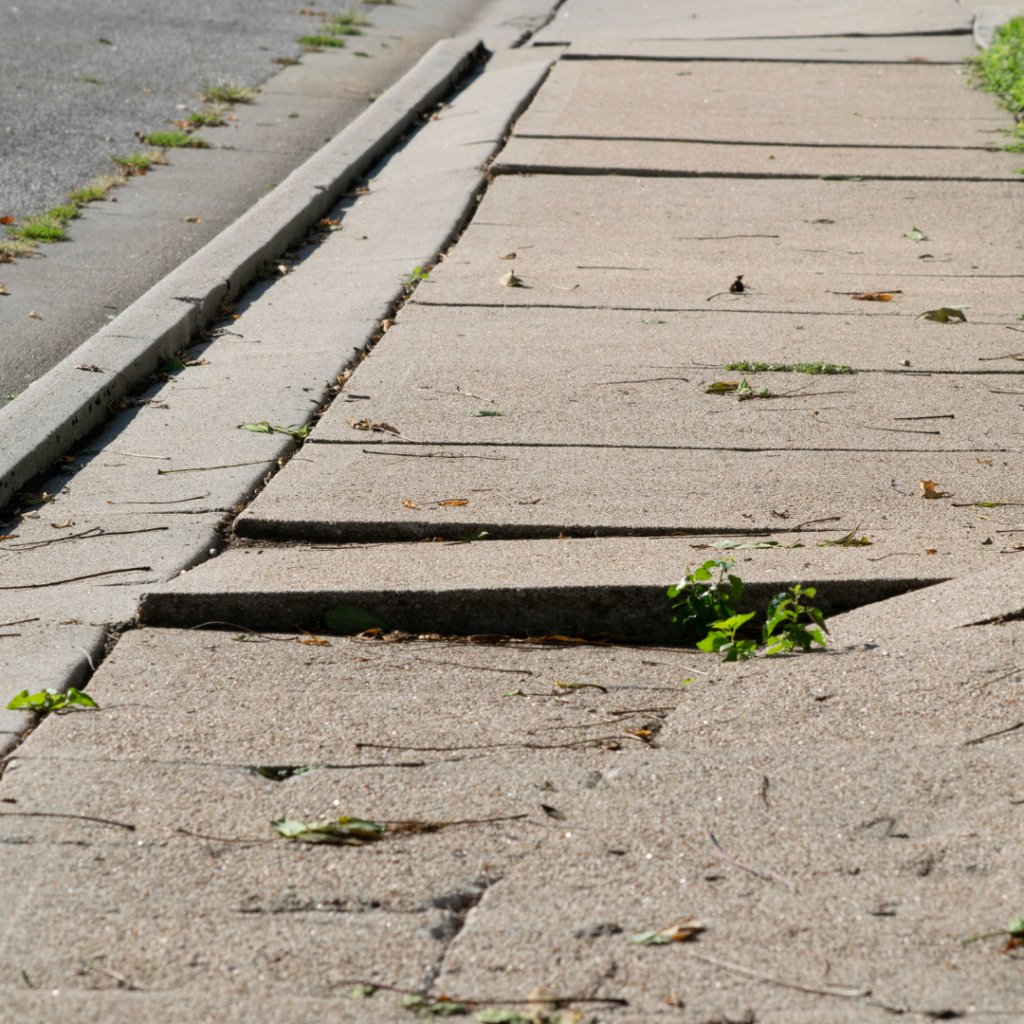
San Diego Sidewalk Repair: What Homeowners Should Know If you own property in San Diego, you may be surprised to learn that you are likely responsible for repairing any damaged sidewalks on or adjacent to your land. Sounds crazy right? But this obligation has been getting fresh attention lately as the city struggles with a backlog of broken sidewalks and looks for solutions. In this blog, we’ll summarize the situation around sidewalk repairs in San Diego, what it means for property owners, and how our professional maintenance services can help. The San Diego Sidewalk Repair Dilemma San Diego has over 6,000 miles of sidewalks across the city. Many of these sidewalks have fallen into disrepair over the years from things like tree roots and erosion. The city estimates there currently are around 37,000 sections needing repair, with more arising each year. They estimate it would cost $185 million to fix them all. The city does not have the funds to tackle all of these repairs in a timely manner. Also, with trip-and-fall injuries have been increasing the backlog is growing. This has led to many lawsuits and settlement payouts costing the city millions of dollars. State Law Makes Property Owners Responsible for Sidewalk Repairs Seeking solutions, the city has been re-examining state laws that place the primary responsibility for sidewalk repairs on abutting property owners, not the city itself. Furthermore, Section 5610 of the California Streets and Highways Code states that while cities must initially install sidewalks, the adjacent property owner must maintain and repair any damage. Cities can make owners pay for repairs through assessments if they do not voluntarily fix them. So, if you own property in San Diego, you likely are liable for the cost of any sidewalk repairs fronting your land. The city may send you an order to repair and bill you if you do not fix identified hazards. Proposed Changes to Boost Repair Compliance San Diego intends to increase property owner compliance with sidewalk repairs. The city is considering new measures to add more “sticks” along with some “carrots” in hopes of making progress on the backlog. Ideas proposed include: The city would like to pass an ordinance imposing liability for injuries on property owners The city could issue 5,000 notices of violation immediately The city could prevent property sales until repairs are addressed by sellers or buyers The city could reduce permit fees from $2,192 to $100 to encourage repairs The city could allow owners to self-certify completed repairs The “carrots” are intended to make it easier for owners to afford fixing their sections. But the city emphasizes owners still are obligated for safe sidewalks under state law. What Does This Mean for Property Owners? While these changes are still proposals, owners should be aware they likely will be expected to take more responsibility for sidewalks near their properties. Steps you may need to take when notified could include: Review the cited area and scope of damage Obtain repair quotes from concrete contractors Ensure required permits are pulled Paying for the repairs and/or permitting Overseeing the repair work Self-certifying repairs or scheduling city inspection Failing to address identified hazards could result in liability for injuries or prevent your ability to sell until fixed. How We Can Help with Sidewalk Repairs? As a full-service property maintenance company, Octo Property Services specializes in all types of exterior concrete work including sidewalk repair and replacement. If you need sidewalk fixes, we can: Professionally assess cited areas Provide guidance on repair requirements and timeframes Give competitive estimates and quotes Pull required city permits Handle all repair work – demolition, forming, pouring, finishing Schedule city final inspection Perform any warranty work if needed Conclusion If you are a property owner looking to update sidewalk in disrepair around your home, reach out to us today! We make the process smooth from start to finish, ensuring your sidewalks meet city standards. At Octo Property Services, our expertise provides peace of mind that the work is done right. Keeping your property safe and compliant is our priority. Contact us today for a free estimate!
How to Budget and Plan for Major Renovations

Budgeting for Home Renovations When properties start to look dated or systems begin failing, major renovations are often needed to update the space and improve function. But these projects require careful planning and budgeting to do right. This blog post shares tips to help you: Decide which upgrades to tackle Create a detailed renovation budget Find the funds you will need Select the right contractors Plan for permitting and approvals Manage the project seamlessly With thoughtful preparation, you can execute renovations smoothly while staying on budget. Choosing Which Renovations to Take On Not all upgrades need to be done right away. Prioritize projects based on: Safety – Unsafe conditions should be addressed first. Electrical, fire safety, and critical repairs should all come first. Urgency – Issues causing rapid deterioration require quick action, like water damage or foundation cracks. Efficiency – Upgrades boosting energy and water efficiency offer ongoing savings. Remaining Lifespan – Replace old systems and finishes reaching the end of usefulness. Enhancing Value – Kitchens, baths and curb appeal updates often boost value the most. Available Funds – Balance must-do projects with those offering the best return on investment. Curb Appeal – Improve dated or worn facade features to attract buyers and tenants. Creating a Detailed Renovation Budget Once you have a list of needed projects, it is time to estimate costs. Be thorough in your budget to avoid surprise overages. Consider: Contractor Estimates – Get quotes from several contractors for accurate pricing. Material Costs – Factor in expenses for fixtures, finishes, equipment and supplies. Labor – Account for all specialty trades needed like plumbers and electricians. Design Fees – Include any architect or designer fees for drawings and plans. Permits & Fees – Budget for needed building permits and local fees. Contingency Funds – Pad estimates by 10-15% for unforeseen costs. Financing Costs – If financing, include loan fees and interest payments. Keep an Eye on Trends – Costs fluctuate over time. Adjust for estimated increases. Build in a Buffer – Overestimate rather than underestimate to be safe. Having detailed estimates makes tracking costs simpler. Update as needed if quotes or scope changes. Leave a buffer for variances and inflation. Finding Funds to Finance Renovations Next you need to find financing to fund the renovations budget. Options include: Cash Savings – Use available cash reserves if possible to avoid interest. Owner Financing – If costs are low, the owner may cover them. Loans – Various loan products cater to financing renovations. Shop rates. Refinance – Cash-out refinance or home equity loan leverages equity. Government Programs – Research grants or loans to fund accessibility, safety, or eco-friendly upgrades. Rent Increase – For rentals, a permitted rent increase may provide needed income. HOA Funds – For condos, the association budget may cover some exterior updates. Consider both short and long-term costs of different financing options. Select terms allowing comfortable repayment. Hiring the Right Contractors Finding experienced contractors is key to executing renovations successfully. Look for professionals who: Are Licensed & Insured – Verify all credentials and coverage. Specialize in Your Type of Project – Choose those with expertise in your specific renovation type. Have Availability – Confirm they can start and complete work on schedule. Provide Detailed Bids – Itemized estimates make comparing easier. Will Pull Permits – Many handle permitting so you do not have to. Offer a Warranty – Opt for contractors backing workmanship with a written warranty. Have Good References – Ask for and check reviews of recent clients. Communicate Well – Ensure they keep you informed throughout the process. By thoroughly vetting contractors, you get qualified pros who meet timing, quality and budget goals. Making a Project Plan & Schedule Careful planning is necessary to keep renovations running smoothly: Get required approvals and permits lined up in advance Confirm start date and estimated completion date Notify tenants of timeline and impacts in writing Stock up on paint, flooring, and other materials ahead Clear out furniture and items from work areas Take before photos to document existing state Set inspection times to review progress Plan for addressing any tenant concerns Schedule cleaners to come after completion Build in some cushion in case of delays. Alert tenants once the schedule is set so they can prepare. Managing Renovations With Ease During the renovation, help things stay on track by: Having contractors check in with you daily Doing periodic walkthroughs to inspect progress Requesting lien waivers from subs upon payment Taking photos throughout in case of disputes Addressing any tenant issues promptly Paying contractors on schedule per contract terms Tracking costs closely and adjusting if needed Documenting any change orders thoroughly Verifying proper disposal of waste debris Doing a punch list walkthrough at completion Staying engaged, communicating expectations, and addressing problems quickly lets renovations proceed with minimal headaches. The Keys to Successful Property Renovations With careful planning and preparation, major upgrades can go smoothly and improve your property. Additionally, by budgeting wisely, securing financing, hiring the right pros, scheduling efficiently, and staying involved in managing the details, you can execute renovations in a cost-effective way with results that have the highest ROI. Furthermore, if undertaking a major renovation seems overwhelming, do not hesitate to enlist the help of a professional renovations manager like Octo Property Services. Our expertise in guiding budgeting, contractors, coordination, and project management ensures your next renovation is a success. Conclusion If you are a property management company or real estate stakeholder looking for reliable property maintenance or renovation services, Octo Property Services is here to assist you. With our expertise and dedication to quality, we can help you enhance the value of your properties and oversee tenant satisfaction. To learn more about our services and discuss your specific needs, please fill out the contact form on our website, and our team will be in touch with you promptly to provide the best maintenance solutions for your properties!
How Smart Landscaping Reduces Your Maintenance Costs
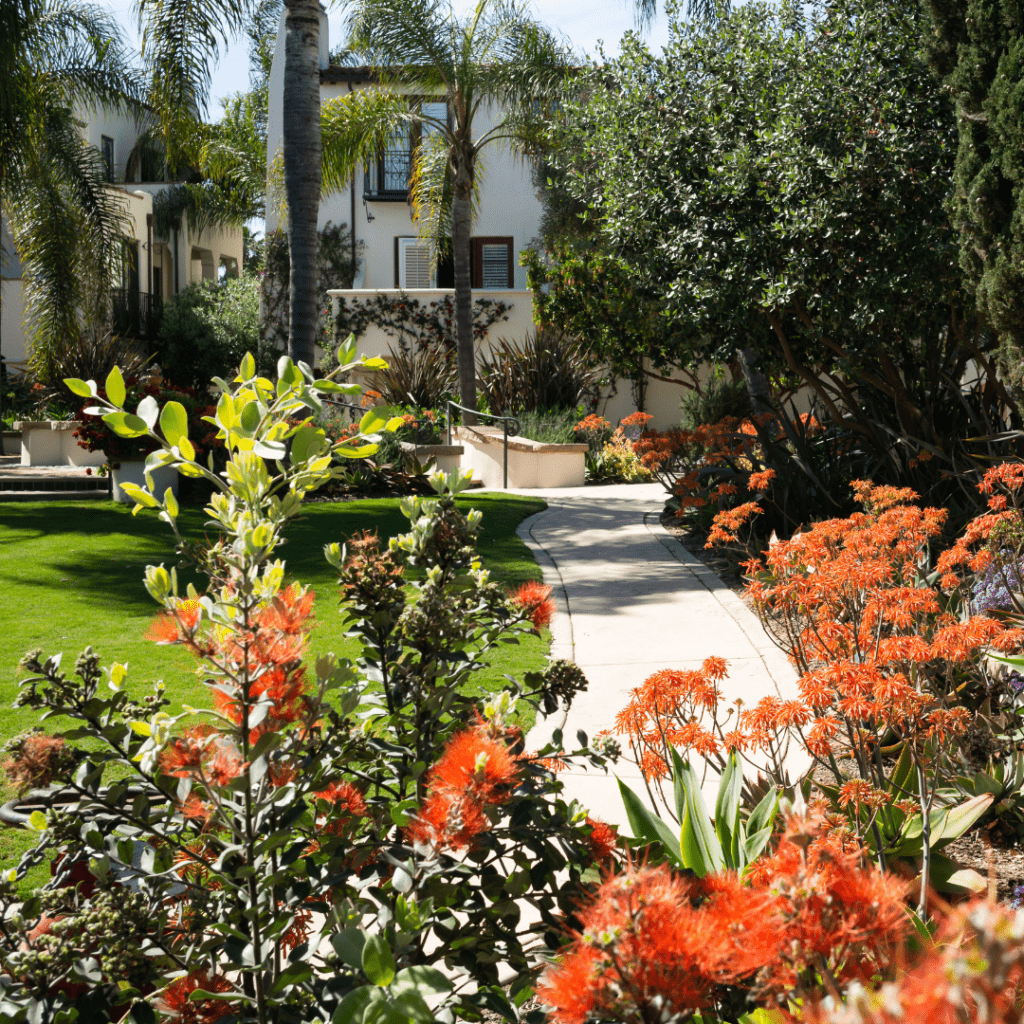
Reduce Maintenance Costs with Smart Landscaping Landscaping is often one of the largest ongoing maintenance expenses for homes and multi-family communities. The constant upkeep of lawns, trees, shrubs and planting beds can take a big bite out of your property management budget. However, you can significantly reduce your landscaping costs through strategic design and plant selection. In this blog post we’ll look at: The benefits of low-maintenance landscaping Design principles to minimize maintenance Best plants for low-care landscapes in San Diego Tips for converting existing yards to be more efficient When to call in the landscaping pros The Benefits of Low-Maintenance Landscapes Transitioning to a low-maintenance landscape offers many benefits: Lower mowing, pruning, watering, fertilizing, and cleaning costs Reduced lawn equipment and supply expenses Less time and labor required for upkeep Decreased water consumption Improved drought tolerance and sustainability More freedom to enjoy outdoor spaces without yardwork Curb appeal and aesthetics still enhanced By minimizing the amount of care your landscaping requires, you free up more of your property management budget for other priorities. The Essential Guide to Home Maintenance Services: Keeping Your Sanctuary in Excellent Shape can help you optimize spending across all maintenance areas. Tips for Designing Low-Care Landscapes The right landscape design minimizes the amount of labor, resources, and costs needed to keep outdoor areas looking their best. Here are some key principles to incorporate: Choose Low-Maintenance Plants – Select plants suited to San Diego’s dry climate that require minimal watering, pruning, and care once established. More on plant selection later. Reduce Lawn Areas – Lawns demand regular mowing, watering, aerating and more. Minimize high-maintenance grass in favor of low-care plants. Group Plants by Needs – Group plants with similar sun and watering needs together for more efficient care. Use Hardscapes – Incorporate hardscaping like patios, decks, gravel, and rock beds to reduce planting space. Add Mulch – Mulch around plants retains moisture and discourages weeds. Replenish annually. Install Drip Irrigation – Drip systems deliver water directly to plant roots cutting waste. Include smart controllers. Fertilize Strategically – Get soil tests to determine needs and fertilize only as required. Overseed Lawns – Overseeding improves durability and density reducing incidents of weeds and bare patches. Edge Clearly – Crisp edging between beds, lawns, walkways and drives keeps things tidy. Go Native – Choose local native plants inherently adapted to San Diego’s climate and pests. With creative design, you can have an eye-catching landscape that thrives beautifully with minimal inputs. Low-Maintenance Plants for San Diego Landscapes Selecting the right low-care plants suited for San Diego’s Mediterranean climate is key to reducing upkeep. Here are excellent options for yards and communities: Succulents – Succulents like aloe, agave, and echeveria need little watering once established. Resist drought. Varied textures and colors. Sages – Many salvias thrive in full sun with low water including Cleveland sage and Mexican bush sage. Long blooming seasons. Deer resistant. Acacia – Desert and redolent acacias adapt well to heat and arid conditions. Feathery foliage and sweet yellow blooms. Lantana – Heat and drought tolerant lantana bears colorful clusters of flowers from spring through fall. Low maintenance. California Lilac – Several ceanothus species do well in San Diego with little care. Showy blue flowers and low water needs. African Daisy – Long blooming African daisies handle full sun and require occasional watering and pruning. Add pops of color. Prostrate Acacia – This low-growing groundcover fixes nitrogen and needs little water. Yellow flowers attract pollinators. Penstemon – Penstemons like ‘Margarita BOP’ have long flowering seasons in sun with occasional watering. Hummingbird magnets. Yarrow – Yarrows thrive in full sun and need minimal watering once established. Flower colors include yellow, red, pink, white. California Poppy – Happy in sun and low water, these poppies self-sow each year for free color. State wildflower. With these and other climate-friendly plants, you can craft durable, vibrant landscapes that thrive with minimal inputs of water, fertilizer, and labor. Aim for a good mix of heights, textures, and colors for visual appeal. Group those with similar needs together. For communities, certain areas may warrant some higher maintenance vegetation. For instance, showcase entrances and key public spaces may utilize some higher-care plants, balanced by low-care masses elsewhere. But minimizing overall labor costs through strategic plant selection in your main commons areas is advised. Making Changes Over Time If you have existing planting areas not designed with water efficiency and low care in mind, you can take steps over time to transition these into more sustainable, functional spaces: Replace Thirsty Plants and Lawns – Gradually remove grass, annuals, and water-loving plants not suited for a dry climate. Introduce hardier plants adapted to thrive in your region. Shrink Lawns – Reduce excessive lawn areas down to more manageable spaces used for recreation. Convert periphery sections and odd shaped turf areas into low-care plant beds. Upgrade Irrigation – Improving irrigation efficiency is key. Install drip systems on timers to deliver water directly to plants roots. Re-Mulch Beds – Replenish old, thin mulch with 3-4 inches of fresh mulch to retain moisture and inhibit weeds as you transition. Fertilize and Overseed Selectively – Strategically fertilize and overseed only the lawn areas you choose to keep to improve their durability. Remove Thirsty Plants – Eliminate any remaining water-guzzling plants over time as they decline. Introduce well-adapted replacements. Widen Hardscapes – Expand patios, walkways and rock mulched areas to further reduce lawn and high-maintenance planting spaces. With gradual improvements and conversions, you can cost-effectively transition even challenging landscapes into more sustainable spaces that better withstand San Diego’s dry climate. Hiring Landscape Professionals While DIY projects are great for minor upkeep, complex landscape upgrades and renovations often warrant hiring experienced professionals. Moreover, investing in quality landscape installation and design upfront creates a framework for reduced long-term maintenance obligations and costs. Professional landscape offers benefits like: Expertise designing efficient,