In-House & Third-Party Maintenance For Property Managers

Comparing In-House and Third-Party Maintenance for Property Managers Maintenance is essential for keeping any residential or commercial property in San Diego running smoothly and maintaining its asset value. But property managers and homeowner associations have an important decision to make – should we keep maintenance tasks in-house with a dedicated team or outsource various jobs to contractors? There are pros and cons to each approach when it comes to budget, efficiency, expertise, and more. This guide examines the key factors San Diego property managers need to evaluate when determining the best maintenance model. What Ongoing Maintenance Does Your Property Require? Before deciding between in-house and outsourced, start by honestly assessing your property’s maintenance requirements and capabilities: Consider maintenance needs like: Landscaping – Mowing, pruning, fertilizing, weed control, planting replacements Cleaning – Janitorial, window washing, parking garages, trash collection Pools and Spas – Chemical balancing, cleaning, mechanical equipment checks Buildings and Amenities – Painting, leakage checks, appliance/HVAC repairs Pest Control – Inspections and treatments for common pests Prioritize the tasks that need consistent reliable servicing. What Capabilities Do Your In-House Staff Have? Take stock of existing staff knowledge and skills. Can they handle the full spectrum of maintenance or just basic custodial work? Assess gaps where they may lack certain expertise like specialized repairs or compliance needs. Audit inventory/equipment as well – what tools and machinery are available to support maintenance? Are additional investments needed? Gaining clarity here helps determine what can realistically stay in-house versus outsourcing. Benefits of Keeping Maintenance In-House Handling maintenance completely with existing property staff has some potential benefits: Lower Costs – Avoiding third-party vendor markups on labor and materials can reduce maintenances costs, especially for basic recurring tasks. Though specialized work still requires more spend. Control and Oversight – Closer control over scheduling, quality of work, and implementation of property standards. But proper oversight is essential. No Vendor Management – Less time spent vetting, contracting, and managing multiple maintenance vendors. But capacity needs may require outsourcing anyway. Staff Familiarity – In-house staff know the property thoroughly – it’s history, quirks etc. But this depends on low turnover and reliable documentation. For properties with straightforward needs that align with staff skills, keeping maintenance completely internal may work nicely. But often, a hybrid approach makes more sense… Benefits of Outsourcing Maintenance The advantages to outsourcing maintenance to qualified contractors include: Specialized Expertise and Efficiency – Contractors have extensive experience across clients and often expertise in specific domains – especially helpful for urgent repairs or technically complex work involving regulations and compliance. They also tend to have better economies of scale. Improved Cost Predictability – Billable hours or fixed project pricing supports reliable budget forecasting versus open-ended payroll and materials costs of in-house work. Flexible Scalability – Vendor capacity can scale up and down with property needs. In-house means overstaffing during slow periods. Outsourcing provides better flexibility. Reduced Liabilities – Third-party vendors carry their own insurance, bonding, permits etc. – reducing property risk exposure in case of accidents or issues. For resource-constrained properties or specialized maintenance needs, outsourcing makes practical sense and prevents distraction from core operations. Recommendations for San Diego Properties So which option is better for maintaining properties in San Diego – keeping maintenance completely in-house or outsourcing to contractors? The truth is there is no universal “right” answer – the best model depends on your property specifics and priorities. But here are best practice tips: Take a Hybrid Approach – Analyze maintenance categories across basic and specialized – simple tasks in-house while complex jobs use vetted contractors. This balances control, costs, risk etc. Build a Reliable Vendor Network – Research top service contractors for plumbing, electrical, landscaping, cleaning etc. Establish preferred partners vs choosing the lowest bids each time. Implement Tracking Processes – Centralize contractor details, work orders and schedules in specific property management software or even shared cloud documents. This maintains visibility across mixed teams. Keep Communicating – Set recurring check-ins between in-house staff and outside vendors to align priorities, schedules, project updates etc. Get alerts for unusual spending. Conclusion… Optimizing your property maintenance strategy requires factoring in multiple considerations around resources, costs and specialization of work. But taking a customized approach for your specific needs helps minimize headaches while controlling expenses. Our commercial maintenance company specializes in helping San Diego properties balance in-house and outsourced servicing tailored to their situation. Learn more about Octo Property Services capabilities and contact us to learn more or request a maintenance assessment.
San Diego Termite Wood Repair and Prevention

San Diego Termite Damage Repair Termites are a common problem for homeowners in San Diego and can cause serious structural damage if left untreated. In 2019, San Diego ranked among the worst cities in America when it came to termite problems. These pesky insects feast on cellulose materials like wood framing, floors, and drywall, often going undetected for years. By the time you notice visible signs of a termite infestation, they may have already compromised the structural integrity of your home. In this blog post, we’ll discuss the signs of termites, the damage they can cause, how to repair termite damage, and steps you can take to prevent future infestations. Keep reading to learn how we can help save your home from these destructive pests! Signs of Termites and the Damage They Cause: Termites are sneaky pests that often go unnoticed in a home’s early stages of infestation. Some of the common signs that may indicate the presence of termites include: Visible swarms – During certain times of the year, winged termites emerge from infested areas. Seeing these swarming winged termites in or near your home is a sure sign you have an active infestation. Mud tubes – Termites construct narrow mud tubes along the exterior and interior of walls as tunnels to provide them protected passageways. Spotting mud tubes is a telltale clue of termites. Hollowed wood – Tapping on wooden structural elements like baseboards, framing, or support beams and hearing hollow or brittle sounds can indicate termites have damaged the wood from the inside out. Peeling paint or wallpaper – As termites damage and eat away at drywall and wood behind walls, paint or wallpaper can crack, peel, and bubble. If a termite infestation is allowed to continue unseen and untreated, the cumulative damage termites cause can become extensive and severely compromise the structural integrity of a home. Termites damage wood by excavating the softer spring growth rings between the firmer summer growth rings, leaving just a thin wood veneer behind. Over time, this wood destruction can cause weakened floors, collapsed decks, sinking porches, buckling walls, and catastrophic collapse. Termites also damage drywall, eating through paper layers and weakening interior walls. Left alone, termite damage can render a home structurally unsound and unsafe. How to Repair Termite Damage: If you suspect or find termite damage in your San Diego home, don’t delay in getting an expert inspection and advice on repair. Here are the general steps involved in repairing termite damage: Professional inspection – A thorough inspection by a certified termite control professional is essential. An expert can detect signs of infestation, assess the extent of damage, and determine necessary remediation. Eliminate active infestation – Before any repair work, the active infestation must be eliminated using proven termite control methods. This may involve tenting the home, localized spot treatments, bait stations, or other methods to eradicate all termites. Remove damaged wood – Any wood that has been damaged and compromised by termites will need to be replaced. This includes subflooring, framing, rafters, support beams and posts, siding, trim, and structural wood elements. Experts can advise the best approach for safely removing damaged materials. Repair structural damage – With damaged wood removed, the full extent of needed structural repairs will be exposed. This may include sistering new support beams and wood bracing next to damaged beams, adding new jack posts temporarily to support floors and roofing, installing new framing and rafters, and structural retrofitting. Replace insulation – After repairing framing and wood structures, new insulation will need to be installed before replacing drywall. Fiberglass batts are a common choice. Add new drywall – Drywall boards damaged by termites will need to be removed and replaced with new drywall. Taping, mudding, and finishing will be required to blend seamlessly. Finish repairs – The final repairs involve refinishing the repaired areas to match the rest of the home. This finishing can include new wood trim, recessed lighting, paint, tile, floor refinishing, and landscaping restoration. Termite damage repair is a major project but necessary to restore structural integrity and prevent future damage. At Octo Property Services, our team has repaired many San Diego homes with extensive termite damage using proven methods. We can provide a free inspection and estimate for your repair needs. Preventing Future Termite Infestations While termite damage repair is a reactive approach after discovering an infestation, the ideal solution is being proactive and preventing termites from ever becoming a problem in your home. Here are some tips to deter termites and lower your risk of future infestations: Eliminate wood-to-soil contact – A leading way termites enter and access homes is through wood touching soil. Ensuring a 6-12 inch gap between soil grade and any wood elements like siding, fencing, or framing deprives termites of this hidden route into your home. Divert water away from foundation – Excess moisture near the foundation or crawl space of your home makes for attractive termite conditions. Properly grading soil and using downspout extensions to direct rainwater runoff away from the base of your home keeps things drier. Seal cracks and penetrations – Any cracks, gaps, or penetrations in your home’s foundation, stucco, siding, or exterior walls allow easy entry for termites. Routinely sealing these access points is important. Replace damaged wood – If you have any external wood framing, fencing, siding, or trims that are compromised or show signs of rot, replace them to remove a food source. Install monitoring stations – Specially designed above-ground termite monitoring stations can be installed around the exterior of your home. These act as an early detection system if termites are present. Use mulch wisely – Wood-based mulch placed too close to your home’s foundation provides another food source for foraging termites. Use inorganic mulch near the foundation. Get regular inspections – Having annual termite inspections by a qualified pest
San Diego Homeowner’s: Property Maintenance Checklist
Property Maintenance Checklist for San Diego homeowners Owning a home in sunny San Diego is a joy and a great investment. But homeowners also have an important responsibility – proper maintenance. Keeping up with routine care and repairs is essential to protect your property’s value and keep it functioning safely and efficiently. The coastal climate and lack of freezing winters make property maintenance in San Diego different than in other parts of the country. This comprehensive, season-by-season checklist covers everything San Diego homeowners need to know about caring for their home both inside and out. Following these guidelines will help you spot issues before they become costly repairs, improve energy efficiency, and keep your home looking beautiful year-round. Proper maintenance pays off by enhancing enjoyment of your home, improving resale value, and preventing major headaches down the road. Winter Home Maintenance Checklist The rainy San Diego winter requires specialized upkeep to prevent issues. Exterior and Landscape Preparations Prune trees to remove dead branches that could fall in storms. Clean gutters and downspouts regularly to prevent overflow. Stake young trees for added wind and rain protection. Check drainage areas for proper runoff flow. Clear debris. Inspect the roof after heavy rains for leaks. Make repairs promptly. Monitor plants for frost damage. Bring potted plants indoors. Plumbing and HVAC for Winter Insulate water pipes in unheated areas to prevent freezing. Disconnect and drain exterior hoses. Shut off and bleed sprinkler systems. Have heating system serviced to ensure efficient operation. Change furnace filter monthly during heavy use winter months. Run dehumidifier to reduce moisture that contributes to mold growth. Safety and Energy Efficiency Reverse ceiling fans to push warm air back down from the ceiling. Close fireplace damper when not in use to prevent drafts. Vacuum nearby radiators so heat can circulate freely. Caulk and weatherstrip around leaky doors and windows. Let sunlight warm rooms during the day and close drapes at night. Set thermostat lower when away to conserve energy. Winter Cleaning and Maintenance Dust ceiling fan blades, light fixtures and tops of doors and cabinets. Vacuum radiators, baseboards, and vents to remove dust buildup. Clean refrigerator coils. Vacuum and dust the back of the fridge. Purge unwanted items from closets and cabinets. Donate usable goods. Organize garage and shed. Toss hazardous chemicals no longer needed. Discard expired medicines, cosmetics and old food items from kitchen pantry. Spring Property Maintenance Checklist Spring is a time of renewal and fresh starts. It’s also an important season for property maintenance in San Diego. Follow this checklist to spruce up your home after winter. Exterior Inspections and Maintenance Inspect the roof for any damage or wear from the winter rains. Look for missing or cracked shingles or signs of leaks. Schedule a professional roof inspection if needed. Check exterior walls and trim for any cracking or deterioration. Repair and repaint as needed. Inspect windows and doors for drafts or damage. Re-caulk or replace weatherstripping if needed. Clean out gutters and downspouts. Remove any built-up debris so rain can flow freely. Check exterior lighting and replace any burnt out bulbs. Inspect decks, porches, patios for damage or deterioration. Make repairs as needed. Power wash exterior surfaces including siding, decks, fences, and sidewalks to remove dirt and grime. Landscaping and Yard Care Prune trees and shrubs to remove dead branches and shape as needed. Weed flower beds and gardens. Spring weeding prevents weeds from taking over. Add fresh mulch to help retain moisture and inhibit weed growth. Fertilize the lawn to encourage thick green growth. Inspect irrigation system and fix any broken sprinkler heads or leaky valves. Schedule spring pest control treatment to prevent ant and termite infestations. Interior Inspections and Maintenance Inspect basement, crawlspace for any signs of water damage or leaks. Check attic for proper ventilation and airflow. Install or improve insulation as needed. Vacuum out AC vents and ensure HVAC is working properly. Replace filters. Inspect ceilings and walls for any new cracks or signs of water stains. Test smoke detectors and CO monitors. Replace batteries. Have fire extinguishers professionally inspected. Spring Cleaning Clean windows inside and out. Wash window screens too. Deep clean carpets and rugs. Consider professional steam cleaning. Wash curtains, drapes and other window treatments. Dust ceiling fans, light fixtures and tops of doors and cabinets. Clean major appliances inside and out including the range hood filter. Empty fridge and freezer and wipe down interior surfaces. Organize garages, closets, and storage areas. Donate or discard unnecessary items. Summer Property Maintenance Checklist Summer is prime time for outdoor living in San Diego. Follow this seasonal maintenance checklist to make the most of sunny days. Exterior Inspections and Upkeep Check foundation for any developing cracks or signs of erosion. Inspect exterior paint or stucco for fading and touch up as required. Look for exterior cracks that need caulking or sealing. Trim back overgrown trees or shrubs touching the house. Clear debris from exterior drains and gutters. Outdoor Living Areas Clean and seal decks. Re-stain if needed. Make repairs to fencing or gates as necessary. Touch up outdoor furniture with fresh paint or stain. Sharpen lawnmower blades for a clean cut on your grass. Check grill and clean out grease traps. Replace grill parts as needed. Reset pavers or stones around patios, walkways, or landscape beds that may have shifted. Irrigation and Landscaping Water plants deeply and early in the day to reduce evaporation. Adjust sprinkler coverage for seasonal water needs. Weed flower beds and gardens to prevent roots from being choked. Watch for signs of disease or pests on plants and treat as needed. Trim hedges as needed to maintain shape. Fertilize warm season grass like Bermuda for healthy growth. Summer Energy Savings Tips Replace AC filters monthly. Dirty filters make AC work harder. Seal leaks around windows and doors to
ADUs in San Diego: Guide to Grants, Financing & Builders
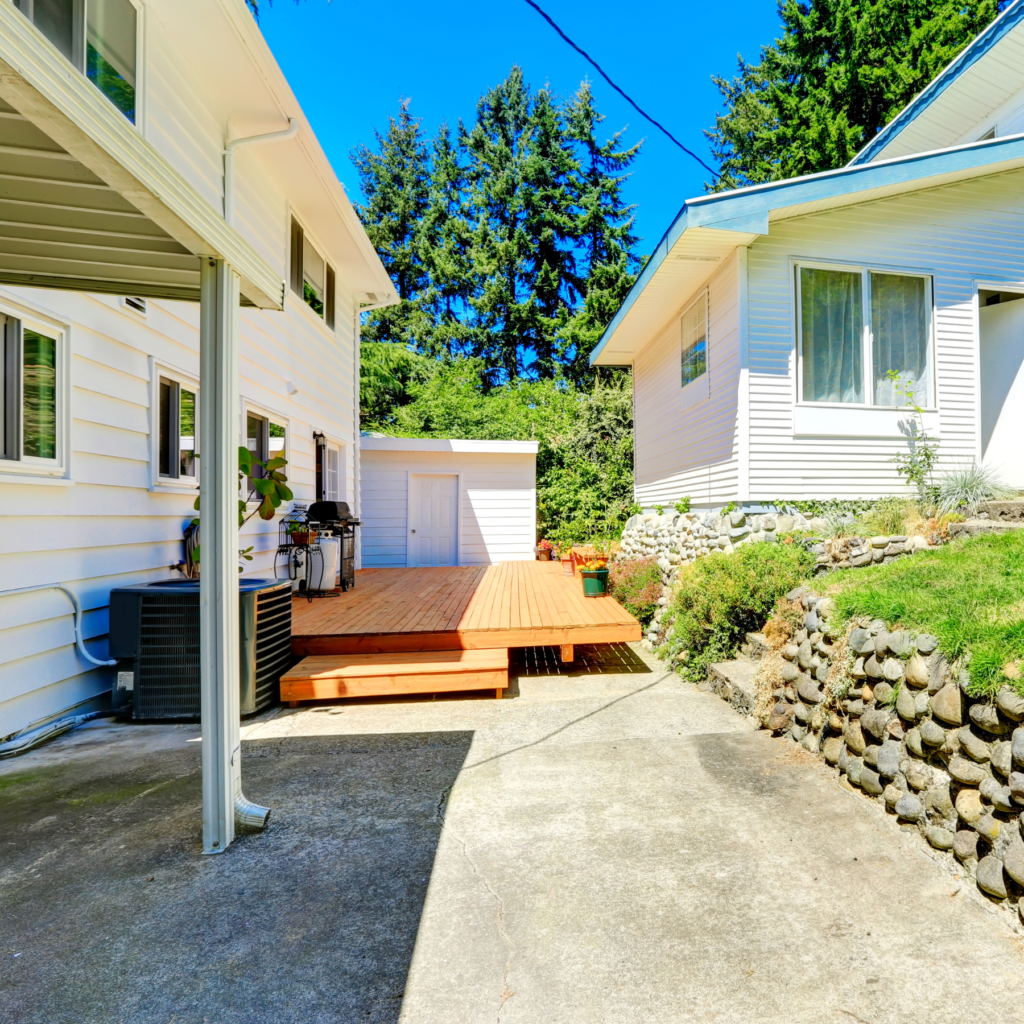
How To: Your Guide to ADUs in San Diego Accessory dwelling units, or ADUs, have exploded in popularity across California in recent years. Also known as granny flats, in-law units, or backyard cottages, these secondary dwellings on existing residential properties offer an innovative way to add much-needed housing capacity in urban areas. Here in San Diego, ADUs present a major opportunity to expand affordable rental options in desirable neighborhoods. However, constructing a high-quality ADU still requires significant financing and finding the right contractor. This guide covers everything you need to know about ADU grants, financing programs, and vetting contractors for your project in San Diego. What is an ADU? An ADU is a secondary dwelling unit added to a single-family residential lot. It has its own kitchen, bathroom, living area, and separate entrance. ADUs can be converted from existing spaces like garages or basements, added as attachments to the main house, or built as standalone structures in backyards. ADUs provide complete independent living spaces for family members, renters, guests, or anyone needing flexible housing. They allow multigenerational living on the same property, create rental income for homeowners, and add affordable units in existing neighborhoods. The California Department of Housing and Community Development (HCD) oversees statewide ADU regulations. However, local San Diego governments can also add zoning and permit rules tailored to their communities. Benefits of Adding an ADU in San Diego Constructing an ADU on your San Diego property comes with many excellent benefits: Added rental income – An ADU can generate over $1,000+ in monthly rental income from a long-term tenant or nightly vacation rental depending on local regulations. This extra revenue helps offset mortgage costs and supplements retirement savings. Increased property value – Detached ADUs typically add 15-25% to your property’s total value. This boost allows you to build significant equity over time. Flexible extra space – An ADU provides self-contained living quarters for relatives, adult children, aging parents, guests, caretakers, or anyone needing temporary housing. The convenience promotes multigenerational living. Affordable housing – Adding well-designed ADUs to existing neighborhoods helps expand San Diego’s limited affordable housing stock. This meets growing demand in desirable areas without major new construction. Environmental benefits – ADUs promote sustainable growth by utilizing existing infrastructure versus building resource-intensive new developments. Their small size also reduces urban sprawl. An ADU can be a fantastic addition to your San Diego property with proper planning and permitting. ADU Financing and Grants in California Financing is often a major barrier when adding an ADU. Construction costs typically range from $150,000 to $200,000 depending on the ADU’s size, features and location on your lot. While you can use a traditional remodel loan or home equity line of credit, specialized ADU financing and grant programs are also available: California HCD ADU Grant Program The California HCD ADU Grant Program provides financial assistance for low to moderate income homeowners constructing ADUs. Qualified recipients can receive up to $40,000 in non-repayable funds covering predevelopment costs like: Architectural and engineering plans Permitting fees Utility connections Site preparation Impact fees Energy reports This grant money makes a significant dent in upfront planning expenses for eligible homeowners before construction begins. San Diego Housing Commission ADU Construction Loan The San Diego Housing Commission’s (SDHC) ADU Finance Program offers affordable construction loans up to $250,000 for qualifying low and moderate income households building ADUs. Participants work with SDHC’s experienced team for technical assistance during the buildout process. The program helps homeowners successfully navigate planning, permitting, contractor selection, and construction. Loan repayment terms are structured to meet individual needs. Participating homeowners must also agree to rent their completed ADU at affordable rates for a minimum of seven years. Finding the Right ADU Builder in San Diego Partnering with experienced ADU design-builders is critical for staying on time and on budget. Be wary of outfits claiming they can deliver amazing ADUs at the cheapest price per square foot. Instead, prioritize contractors who specialize in ADU projects with proven success completing buildings that match your needs and budget. Questions to Ask Prospective ADU Builders in San Diego: Are you familiar with the local zoning and permit rules in my area? Navigating regulations smoothly is crucial. Do you have expertise building detached versus attached ADUs? Make sure they suit your project type. What strategies will you use to contain costs within my budget? Watch for creative solutions not just the cheapest materials. How will you keep me informed during the design and construction process? Open communication prevents headaches. Can you share your typical timeline from design to completion? A 6-9 month schedule is common. Vet potential ADU builders thoroughly and compare several bids. Don’t sacrifice quality just to save a few dollars upfront. Key Steps for Building an ADU in San Diego While each ADU project has unique considerations, most follow this general process from start to finish: 1. Assess your property and decide on an ADU layout – Consider aspects like yard dimensions, zoning rules, existing structures, and electrical/utility capacity. This shapes what ADU size and type works best. 2. Research permit and design requirements for your area – ADU regulations vary across San Diego. Meet with city planners early and learn the specific provisions for your neighborhood. 3. Choose an ADU builder – Once you know project parameters, interview contractors and compare proposals. Focus on experience, realistic costs, and responsiveness. 4. Finalize designs & obtain permits – Your builder will complete architectural plans and submit for permitting. Build community support with neighbors to prevent delays. 5. Secure financing – Apply for ADU grants or loans you may qualify for. Have financing lined up before signing contracts. 6. Construction & completion – Buildout typically takes 6-9 months. Work closely with your ADU contractor throughout the process. 7. Inspection & final approval – The city will inspect your ADU to verify compliance. Make any
How to Maintain Your Home: Guide to a Well-Kept Sanctuary

The Essential Guide to Home Maintenance Services Your home is your castle – and it requires care and upkeep to remain a sanctuary. From plumbing and electrical to cleaning and landscaping, addressing maintenance needs promptly optimizes safety, value, and enjoyment of your residence. But juggling a multitude of home maintenance tasks can be overwhelming for busy homeowners. Should you tackle repairs yourself? Hire specialists for every job? This guide will walk through the range of home maintenance services available from professional companies and when to utilize them. Benefits of Professional Home Maintenance Why turn to pros like Octo Property Services rather than DIYing home repairs and upkeep? Consider these advantages: Expertise – Technicians bring extensive training and experience inspecting and troubleshooting hundreds of home systems. They can quickly diagnose issues and recommend solutions the average homeowner would miss. Efficiency – Maintenance companies have specialized tools, equipment, and supplies readily available. Jobs get done faster without trips to the hardware store for the homeowner. Warranties – Professional workmanship often comes with guarantees for labor and any parts installed. DIY repairs likely won’t. Safety – Technicians are schooled in safety protocols for electrical work, roofing, gas lines, and other hazardous home tasks. Avoiding injury is paramount. Accountability – Reputable companies stand behind their work. Problems can be addressed under service contracts. DIY mistakes are your own to live with. Convenience – Scheduling professional services saves homeowners valuable personal time and hassle. Your weekends and evenings stay free for family and hobbies instead of maintenance headaches. Cost Effectiveness – Contractors have wholesale purchasing relationships with suppliers. Combined with labor savings, hiring out can ultimately cost less than DIY trials and errors. Curb Appeal – Clean properties with crisp landscaping and exterior paint help homes retain maximum value and appeal for both enjoyment and resale. Timeliness – Instead of putting off complicated repairs for months, essential maintenance gets promptly addressed protecting your investment. Peace of Mind – The reassurance that your biggest asset is being properly maintained is invaluable. Systems are preventatively protected against failure. Now let’s explore the range of professional home maintenance services available for both routine upkeep and periodic repairs. Daily and Recurring Home Maintenance Services Consistent basic care is the foundation for every home’s maintenance plan. This includes: Landscaping – Weekly lawn mowing, pruning, and weed control maintains aesthetic appeal while preventing plants from encroaching on structures. Seasonal services like fall leaf removal and snow plowing are key in many regions too. Gutter cleaning – Clogged gutters cause water to overflow, damaging facades and foundations. Professionals should clear debris at least twice a year. Pest control – Quarterly treatments prevent infestations of insects like ants, termites, and cockroaches that jeopardize structures and contaminate living spaces. HVAC maintenance – Technicians can perform semi-annual tune ups to improve efficiency and lifespan of heating and cooling equipment. Air filters should be changed monthly. Carpet cleaning – Annual steam cleaning removes ground in dirt, allergens, and stains that regular vacuuming misses. House cleaning – If hiring a maid service, customize a schedule for dusting, scrubbing, windows, and other cleaning tasks suited to your home’s needs. Pool and hot tub care – For homeowners with recreational water features, maintaining safe pH and chlorine levels is essential along with cleaning and seasonal opening/closing. Developing a calendar of recurring services tailored to your home keeps upkeep on autopilot so issues never snowball into emergencies or expensive repairs down the road. Seasonal Home Maintenance Checklists Home maintenance needs also fluctuate based on weather and the time of year: Spring Inspect the roof and exterior for damage after winter weather Test cooling system prior to summer Schedule a tune up for air conditioning unit Clear leaves and debris from gutters Prune overgrowth, fertilize lawns and garden beds Check irrigation system and timers Clean out dryer vents Summer Monitor and clear gutters and downspouts Maintain trees/shrubs – prune & hydrate during droughts Treat for insects and garden pests Change HVAC filters monthly Schedule AC service if low on coolant or leaking Repair cracks & holes in driveway and walkways Fall Service heating system – inspect furnace, chimneys, and ducts Weatherstrip windows and doors Seal cracks and openings Winterize and blow out irrigation systems Clean out gutters and check downspout alignments Rake leaves and trim back foliage and branches Fertilize lawns Winter Prune trees and shrubs Inspect roof and attic for leaks Check insulation levels and add if needed Monitor ice dams on roofs and icicles on gutters Shovel and salt walkways after snowfalls Keep driveway plowed and free of snow Run tap water occasionally to prevent frozen pipes Catching seasonal maintenance early prevents the frantic rush of issues piling up all at once when systems are suddenly needed again. Handyman and Specialty Home Repairs In addition to routine care, unexpected repairs inevitably pop up requiring skilled tradespeople: Plumbing – From leaky faucets and pipes to clogged drains and sewer backups, master plumbers handle the full range of water-related repairs. HVAC – For furnace, AC and venting issues, technicians troubleshoot problems, replace worn parts and keep systems operating at peak efficiency. Electrical – For flickering lights,power failures, broken circuits and other electrical problems, licensed electricians ensure safe and proper code compliance. Appliances – From refrigerators and dishwashers to washers, dryers and HVAC systems, appliance repair pros fix breakdowns and extend the useful life of your major investments. Painting – Whether for small touch ups or entire interior and exterior refreshers, hiring professional painters ensures a quality, lasting finish. Drywall – For wall and ceiling holes and damage, drywall hanging, taping, mudding, texturing and sanding is best left to experts. Fencing – Outdoor fence installation and repairs – including wood, chain link and ornamental metal – is facilitated by professionals with
Communication for Property Managers & Maintenance Teams

Property Managers & Maintenance Teams Communication Strategies For residential and commercial properties to run smoothly, property managers and maintenance personnel must work in sync. Repairs, improvements, inspections, emergencies, and general upkeep all require tight collaboration. But gaps in communication often arise. Work orders fall through the cracks. Projects take longer than expected. Tenants don’t receive status updates. Vital information gets lost in email chains and voicemails. These headaches can be prevented through strong communication strategies and systems between property managers and maintenance teams. This article will explore tips to streamline coordination and provide exceptional service. Challenges in Communication First, let’s examine some common challenges property management companies face: Unclear work orders – Vague descriptions lead to improper work or added back-and-forth. Lack of priorities – Is a clogged toilet more urgent than cabinet squeaks? Unclear hierarchy of needs complicates scheduling. Information gaps – PMs lack technical knowledge. Techs don’t have access to tenant info and histories. Language barriers – Terminology differences between fields can muddy conversations. Weak status updates – Lack of progress visibility prevents proactive reprioritization. Volume delays – With hundreds of units, responding promptly to all requests is difficult. Silos – Technicians in the field don’t interface directly with tenants and leasing staff. Without structures for seamless coordination, delays, cost overruns, and dissatisfaction result. Keys for Effective Communication Here are best practices for aligning property management teams and maintenance staff: Eliminate Silos Through Collaboration Break down interdepartmental walls by facilitating joint meetings and sharing insights between technicians and PM staff. Face time builds relationships and understanding of capacities and constraints each side faces. Utilize Structured Work Order Systems Centralize requests through property management software, app-based systems, or standardized templates. Include fields for unit numbers, permission to enter, priority tier, required completion date, detailed problem description, and more. Add photos, videos, or screen sharing to clarify needs. Outline Maintenance Capabilities Provide managers an overview of the breadth of maintenance services offered. Detailing specialties prevents misaligned expectations and facilitates accurate scoping. Establish Timeframe Standards Agree on average response times and resolution times for different request types and priority levels. This allows mutual accountability. For example, safety issues may be a 1-hour response, appliance repairs 24-48 hours, preventative maintenance 30 days out. Follow Up and Follow Through Don’t go quiet after entering work orders. Check in on status, expedite where needed, revise work as situations change, and verify completion. Closing the loop is crucial. Over-Communicate During Emergencies In crisis situations like floods or HVAC failures, provide constant status updates to tenants and staff. Demonstrate your active response and care. Translate Technical Details When explaining work performed, convey details in plain language easily grasped by non-technical staff and tenants. Analogies and illustrations help. Structure Project Management For renovations, define all stages, milestones, constraints and requirements upfront in a project charter. Conduct progress meetings and require reports. Provide Continuous Training Conduct joint training to provide technicians customer service techniques and tools to explain repairs. Educate call center staff and managers on basic maintenance lingo and knowledge. Gather Ongoing Feedback Solicit input from managers on technician performance. Ask teams what communication gaps need bridging. Continual improvement requires transparency. Designate Liaisons To streamline communication, assign single points of contact on each side. Portfolio maintenance managers act as quarterbacks. Review Metrics Together Analyze maintenance response metrics, tenant satisfaction, budget-to-actuals, and profitability. Brainstorm improvements collaboratively. Automate When Possible Leverage technology like tenant portals, automated status alerts, and mobile access to work orders to increase responsiveness and reduce manual efforts. Keep Listening Actively listen to frustrations and ideas from both sides. Miscommunication exposes process breakdowns that technology and SOPs alone can’t fix long-term. Improving communication and collaboration ultimately boosts property performance and value. By applying these best practices, property management firms and maintenance teams can significantly streamline coordination and provide exceptional service. At Octo Property Services, we focus on constant communication, transparency, and tailoring our maintenance programs to your unique needs. Contact us today to learn more!
What Does a Property Maintenance Company Do?

What Does a Property Maintenance Company Do? If you own investment properties or manage an apartment complex, office building, retail center, or other commercial real estate, finding a reliable property maintenance company is crucial. The right provider can be your best asset when it comes to optimizing your assets, protecting your investments, and keeping tenants satisfied. But what exactly does a property maintenance company do? Their services are wide-ranging, providing solutions for both daily upkeep and long-term repairs and improvements. Keep reading to learn the key responsibilities of property maintenance companies. Daily Property Management Duties For most properties, the bulk of a maintenance company’s work revolves around day-to-day oversight and routine upkeep. This includes: Inspections – A maintenance provider will regularly walk the property looking for any issues that need addressing – from burned out light bulbs to safety hazards. Both exterior and interior inspections allow problems to be caught early before they worsen. Landscaping – Curb appeal matters, so companies handle lawn mowing, tree and shrub trimming, sprinkler checks, and landscape design. Seasonal tasks like leaf removal are also part of the services. Janitorial Cleaning – From trash collection to sweeping and mopping to stocking supplies, maintenance techs keep common areas clean and well-maintained. Pest Control – Mice, cockroaches, bed bugs, spiders, and other pests get handled through preventative treatments and extermination services. Snow Removal – In cold climates, companies plow parking lots, shovel walkways, salt surfaces, and remove ice dams in winter. Pool Care – For properties with pools and hot tubs, chemical balancing, cleaning, and seasonal opening/closing are standard. General Upkeep – From changing HVAC filters to unclogging drains, maintenance teams tackle miscellaneous upkeep tasks to keep systems running smoothly. Handling Maintenance Requests In addition to proactive maintenance, companies respond to tenant service calls and requests. Common examples include: Plumbing leaks and clogged drains Electrical shorts and appliance repairs HVAC troubleshooting and adjustments Drywall patching and paint touch ups Door and cabinet hinge tightening Smoke detector battery replacements Lock rekeying Exterior lighting outages A maintenance coordinator takes requests, dispatches techs, follows up on work orders, and provides status updates to tenants. The goal is quick turnarounds on repairs to minimize disruption. Property Improvements and Renovations While daily maintenance handles immediate issues, companies also tackle larger property improvement projects. This keeps buildings updated, functional, and appealing over the long-term. Typical upgrades include: Full unit rehabs between tenants – New floors, countertops, cabinets, lighting, paint and more bring units up to modern standards. Common area remodels – Entrances, lobbies, hallways, and amenity spaces periodically need freshening up. Building system upgrades – Improving roofs, windows, electrical, HVAC, and plumbing enhances efficiency and lifespan. Siding, deck, and pavement repairs – Exteriors require facelifts and structural maintenance too. Accessibility improvements – Ramps, lifts, and other ADA compliant upgrades ensure fair access. Sustainability enhancements – Adding insulation, solar panels, low-flow plumbing fixtures reduces environmental impact. Capital projects – Major undertakings like adding elevators, parking garages, and new wings keep properties competitive. Proactive maintenance planning and budgeting ensure upgrades occur on schedule before issues arise. The maintenance company serves as a general contractor, overseeing projects from start to finish. Emergency Services When disaster strikes, maintenance teams provide rapid response 24/7. Flooding, fire, break-ins, and severe weather damage all call for urgent containment and repairs. Companies are on call nights and weekends to board up broken windows, extract water, secure properties, and initiate insurance claims. Vendor Management Most maintenance companies cultivate networks of licensed contractors to tap for specialized work. Plumbers, electricians, HVAC companies, locksmiths, glaziers, and other trades help execute larger repairs and improvements. The maintenance provider vets and manages the subcontractors for simplified hiring. Administrative Services Maintenance extends beyond physical upkeep to include back-office functions: Managing capital and operating budgets Processing and paying vendor invoices Fielding tenant requests and issues Enforcing lease terms and property rules Performing background checks on applicants -Collecting and processing rent payments Experienced staff handle leasing, accounting, compliance, tenant relations, and other administrative workflows. This allows property owners and managers to focus on high-level oversight and decision-making. Why Outsource to a Property Maintenance Company? Handling all the above in-house requires substantial staff and organizational bandwidth. Facilities managers, janitors, landscapers, contractors, and office personnel add up quickly. For most owners and property management firms, outsourcing maintenance makes strategic sense. Advantages include: Flexibility – Fluctuating workloads and seasonal demands are covered through contract adjustments rather than hiring/firing. Cost Efficiency –Contracting fixed-priced services cost less than hiring in-house employees with benefits. Improved Focus – Management companies can zero in on financial oversight and customer service rather than maintenance duties. Consistent Quality – Seasoned maintenance providers work to standardize processes and bring extensive expertise. Access to Talent – Recruiting and retaining skilled tradespeople is challenging. Outsourcing opens up more talent. Shared Risk – Maintenance partners assume a portion of the risks and liabilities of property upkeep off the owner’s shoulders. Accountability – Outsourcers are under contract to meet well-defined quality and performance standards. Latest Technologies – Maintenance firms invest in solutions like mobile apps, predictive maintenance, asset management software, etc. By aligning with the right maintenance company, owners enjoy better service, reduced headaches, and lower overhead. Properties stay well-run through peaks and valleys in the market. Key Factors in Choosing a Maintenance Company Not all providers are equal. Savvy owners should look for these traits when selecting a partner: Relevant Experience – Look for expertise with your specific property type like multifamily, office, industrial, retail, etc. Local Presence – Proximity enables faster response times and familiarity with regional suppliers and code requirements. Safety Record – Check stats on past injuries and OSHA violations. Safety-first contractors reduce risk. Stability – Choose an established company with years in business and financial stability. Check client retention rates. Technology – Modern systems for work orders, asset tracking, etc. improve communication and accountability. Round-the-Clock Service – After-hours emergency availability is a must. Communication Skills
How To Create a Maintenance Schedule for Rental Properties

How to Create a Maintenance Schedule for Rental Properties Regular preventative maintenance is important for rental properties, and following a schedule helps avoid surprise repairs, improves safety, enhances curb appeal, and shows tenants their home is cared for! But what should a rental maintenance schedule include? What tasks should be done daily, monthly, annually? Just starting out as a rental owner or expanding your portfolio? This guide provides a framework for designing a comprehensive maintenance plan for your rental properties, and who to reach out to when you need a helping hand. Benefits of a Rental Maintenance Schedule First, let’s review why a detailed rental maintenance schedule matters: Fewer emergencies – Catching issues early prevents major breakdowns requiring urgent fixes. Optimized budgeting – Planning ahead allows smart allocation of maintenance funds each month and year. Improved compliance – Schedules ensure fire/safety systems and accessibility features stay compliant. Extended equipment life – Routine care makes HVAC, appliances, roofs, etc last longer saving replacement costs. Enhanced curb appeal – Landscaping and exterior upkeep boost perceived value and demand. Increased tenant satisfaction – Well-maintained homes minimize complaints and turnover. Higher rents – Proactive upkeep warrants premium rental rates. Properties command higher valuations too. Reduced liability – Documenting diligent oversight reduces negligence claims if issues ever occur. Easier management – Checklists simplify hiring vendors and overseeing staff. It is super important as a property owner to not view maintenance as only reacting to problems, but rather preventing problems before they occur. Following a proactive schedule gets you the most rental income and reduces headaches regarding surprise maintenance or repair. Crafting Your Rental Maintenance Schedule Now let’s dive into building your custom schedule. We’ll break it down into 5 key steps: Step 1 – Take Inventory Start by creating a list of all equipment, systems, and components at the property. With this, you can start to create a checklist to design tasks around. Inventory may include: Unit interiors – flooring, walls, cabinets, appliances, fixtures Building exterior – roof, gutters, siding, drainage, outdoor lighting Structural – foundation, windows, doors, decks, fencing, garage Systems – HVAC, electrical, plumbing, fire safety, security Site – parking lot, sidewalks, landscaping, pool, signage Common areas – lobbies, hallways, laundry rooms, offices In addition, review recent work orders and inspection reports to jog your memory as well. Being thorough at this stage sets the foundation for a complete schedule. Step 2 – Identify Legal Requirements Next, determine which maintenance tasks are legally required for liability, safety, accessibility, and compliance reasons. Examples include: Fire systems – sprinklers, alarms, extinguishers Gas leak inspections Elevator and lift maintenance Pool safety equipment Stormwater system checks Sewer line cleaning Pest control Smoke detector batteries ADA accessibility features Consult your city property management guidelines for additional mandatory schedules like boiler inspections. Neglecting legally mandated maintenance opens the door to hefty fines. Step 3 – Review Manufacturer Specs For equipment like HVAC systems and water heaters, follow the maintenance recommendations in the manufacturer manuals. This ensures warranties stay valid and lifespan maximized. Tasks may include: Replacing air filters Draining sediment from water heaters Lubricating parts Tightening connections Checking refrigerant and fluid levels Testing safety controls Have technicians log dates for future reference. Don’t void protections by skipping manufacturer maintenance. Step 4 – Incorporate Seasonal Tasks Maintenance needs change over the course of a year based on weather and seasonal usage. Your schedule should adjust accordingly. Examples of seasonal maintenance tasks include: Spring Inspect foundations for freeze damage Test cooling systems ahead of summer Open pools Prune trees and fertilize lawns Clean out gutters and drainage Summer Monitor irrigation systems Schedule AC tune-ups Monitor pools Apply mulch and control weeds Fall Winterize pools Service furnaces ahead of winter Clean chimneys and flues Rake leaves and trim back vegetation Seal windows, doors and cracks Winter Monitor snow removal Shovel walkways and salt icy patches Clean gutters and roof Check plumbing insulation Monitor ice dams on roofs Step 5 – Set Routine Frequencies For other common maintenance tasks, determine the appropriate frequencies based on tenant usage patterns. In general: Daily/Weekly Garbage collection Common area cleaning Outdoor lighting checks Monthly HVAC filter replacement Fire extinguisher inspections Pest control Landscaping maintenance Quarterly Gutter cleaning Carpet cleaning Dryer vent cleaning Biannually Chimney sweeping Drain cleaning Interior paint touch ups Annually Roof inspection GFCI outlet testing Water heater flushing Fire sprinkler inspection Parking lot sealing Every 2-3 Years Exterior paint Flooring replacement Tree trimming Major appliance replacement Adjust maintenance task frequencies based on needs and assign tasks to calendars or software. Reevaluate the schedule over time and modify tasks based on performance. Additional Tips for Maintenance Success Follow these tips to further improve upon your rental maintenance program: Link tasks to rental turnover – Bundle painting, carpet cleaning, HVAC servicing, etc into your unit turnover process between tenants. Require service logs – Have vendors provide detailed logs and photos showing tasks completed to document your diligence. Hire specialists – Don’t DIY major electrical, roofing, plumbing and HVAC repairs. Use licensed pros. Offer 24/7 service – Tenants don’t operate 9-5. Have after-hours options for urgent issues. Inspect regularly – Walk the property monthly looking for emerging issues. Fix promptly. Review annually – Each year, review the past year’s repairs and adjust maintenance plans accordingly. Automate reminders – Use apps and software to auto-generate timely reminders and track compliance. Provide checklists – Arm onsite staff with task checklists to ensure consistency. Monitor energy usage – Analyze usage patterns monthly and address fluctuations quickly through maintenance. Incentivize staff – Pay bonuses to maintenance teams based on occupancy rates, tenant surveys, and budget goals. Conclusion… If you are a property manager located in San Diego County and looking to simplify your maintenance oversight, contact
Property Management Maintenance Communication

property management maintenance Effective communication is the key to a successful relationship between property managers and maintenance teams. Clear and concise communication ensures that property maintenance tasks are carried out efficiently and promptly, reducing downtime and tenant dissatisfaction. Whether you are undergoing turn services between tenants, or overseeing recurring maintenance repairs for an active tenant, communication with all parties is essential. In this blog post, we will explore various strategies that property managers can employ to enhance communication with their maintenance teams. Foster Open and Transparent Communication Channels between Property Managers and Maintenance Technicians Establishing open lines of communication is vital for effective collaboration between property managers and maintenance teams. Implement the following strategies to encourage transparent communication: Regular Team Meetings: Conduct periodic team meetings to discuss ongoing projects, address concerns, and share updates. These meetings provide an opportunity for property managers and maintenance teams to exchange information and ensure everyone is on the same page. Utilize Technology: Employ communication tools like email, instant messaging, or project management platforms to facilitate quick and efficient communication. These tools allow property managers and maintenance teams to share important documents, track progress, and address issues promptly. Clearly Define Roles and Responsibilities To avoid confusion and ensure accountability, it is crucial to establish clear roles and responsibilities for property managers and maintenance teams. Clear guidelines will help streamline communication and prevent tasks from falling through the cracks. Consider the following practices: Job Descriptions: Create detailed job descriptions outlining the responsibilities of both property managers and maintenance teams. This document will serve as a point of reference and reduce ambiguity regarding task allocation and ownership. Maintenance Handbook: Develop a comprehensive maintenance handbook that outlines standard operating procedures, emergency protocols, and guidelines for reporting and tracking maintenance requests. This resource will help property managers and maintenance teams align their expectations and enhance communication efficiency. Implement Efficient Maintenance Tracking Systems To streamline communication and ensure timely resolution of maintenance issues, property managers should implement efficient tracking systems. These systems can range from simple spreadsheets to dedicated property management software. Consider the following strategies: Maintenance Request Software: Utilize maintenance request software that allows tenants to submit requests electronically. This system provides a centralized platform for property managers and maintenance teams to access, assign, and track maintenance tasks, ensuring transparency and accountability. Regular Progress Updates: Establish a process for maintenance teams to provide regular progress updates to property managers. This can be done through shared project management platforms or periodic status reports. Regular updates enable property managers to keep tenants informed and address any concerns promptly. Conclusion… Effective communication is the cornerstone of successful collaboration between property managers and maintenance teams. By fostering open and transparent communication channels, defining clear roles and responsibilities, and implementing efficient maintenance tracking systems, property managers can oversee that maintenance tasks are completed in a timely manner, leading to satisfied tenants and well-maintained properties. If you are looking for a reputable maintenance team to partner with your property management team, contact Octo Property Services. We work as an extension of your team to provide effective maintenance solutions for property managers.
Red Flags When Hiring a San Diego General Contractor

Finding the Right San diego General Contractor Selecting the right general contractor for your home renovation or construction project in San Diego is one of the most important decisions you’ll make. This process requires careful research and evaluation to avoid potentially disastrous scenarios down the road. Learn how to effectively assess licensure, business practices, qualifications, credibility, insurance coverage and more when interviewing contractors. We provide guidance on asking the right questions and thoroughly checking references to ensure you end up with the best contractor for your project. Verify Contractor Licenses and Credentials One of the first things to check for any general contractor you’re considering for your San Diego home project is proper licensure. California requires all general contractors to hold a valid contractors license issued by the Contractors State License Board (CSLB). This involves passing a written exam and demonstrating the required experience. Licensed contractors have met state requirements and passed background checks. Fail to verify a contractor’s license, and you risk hiring unqualified or fraudulent contractors, void warranties, and have no recourse if things go wrong. Always enter a contractor’s license number into the CSLB database to validate status, expiration date, and any disciplinary actions against the license. A general building contractor license is required for most residential construction and remodeling work. Specialty trade contractor classifications may be needed for specific types of jobs. When interviewing a San Diego general contractor, ask to see a copy of their actual license card as well. A license in good standing is a basic requirement you should screen for. Watch for Verbal Agreements Reputable San Diego general contractors will not ask you to enter into a verbal agreement. They will insist on a comprehensive, written contract detailing all project costs, materials, timelines, work duties, warranties, and other terms before work begins. Verbal agreements make it much harder to hold the contractor accountable and resolve disputes that arise. Don’t let eagerness or high-pressure tactics sway you into accepting just a handshake deal. Protect yourself legally with a proper written contract. Beware Big Down Payments While it’s reasonable for a general contractor to ask for a deposit ranging from 10% to 25% upfront, excessively large down payments can be a red flag. Ethical contractors will not ask for more than what is required to cover material costs to launch the project. Large down payments beyond 25% of the total project estimate may indicate the contractor is just seeking funds rather than committed to doing the work. Tying up too much money at risk can leave you in the lurch if things go south. Double Check Insurance Coverage Hire a general contractor in San Diego only after verifying they carry adequate general liability insurance, workers compensation insurance, and builders risk insurance for construction projects. Liability coverage protects you if the contractor damages your property, workers get injured on site, or third parties are injured due to negligence. Builder’s risk covers materials and the structure itself during construction. Ask contractors for proof of insurance certificates showing adequate coverage limits and that policies are active, not expired. Lack of insurance puts you at substantial risk. Watch for High Pressure Tactics Quality San Diego contractors will allow you sufficient time to evaluate bids, compare qualifications, check references, and make an informed hiring decision. High-pressure tactics like demanding an immediate decision or deposit are concerning. So are contractors who show up unannounced at your home insisting they can start work immediately. Avoid letting pushy contractors rush you into making quick decisions you may regret. Take time to thoroughly vet each bidder. Ask for References Be sure to ask each general contractor bidder for multiple references from past clients in the San Diego area. Reach out to these references and ask how satisfied they were with the contractor’s work and professionalism. Confirm that projects were completed on time and within budget. While every contractor will have a few complaints, look for consistent positive feedback indicating they deliver quality work and have a good reputation. A lack of references may be a red flag. Review Online Reputation In addition to checking client references, spend time reviewing the online reputation of any San Diego general contractor you are considering hiring. Research ratings and reviews on Google, Yelp, and other third-party review platforms. Look for patterns of positive feedback. While no contractor is perfect, be wary of those with predominantly negative reviews and complaints about poor work quality, communication issues, unfinished projects, and billing disputes. By watching out for these common red flags during your hiring process, you can avoid contractors who lack proper credentials, use questionable business practices, or may not have the skills to complete your project successfully. Take time to carefully evaluate each bidder’s qualifications, portfolio, references, insurance coverage, and contract terms. Questions to Ask Contractors to Assess Credibility When evaluating general contractor candidates for your San Diego home renovation or construction project, asking the right questions is key. Here are some important questions that can help you gauge the credibility and qualifications of each bidder: Are you licensed in California for general contracting work? Verify license type and status. Do you carry general liability insurance and workers compensation? Review policy limits. How long have you been a general contractor and owned your company? Look for 5+ years ideally. Have you completed similar whole home or bathroom/kitchen projects before? Request photos of past work. May I have a list of recent client references I can contact? Reach out to 3-5 references. Will you provide a detailed written contract spelling out all project terms? A must! What systems do you use for managing budgets and schedules? Look for robust processes. How do you communicate with clients and address concerns during projects? Ask for regular progress updates. How will you handle change orders or delays that impact the budget or timeline? Look for reasonable change order markup policies.