What’s Included in Common Area Maintenance (CAM)?
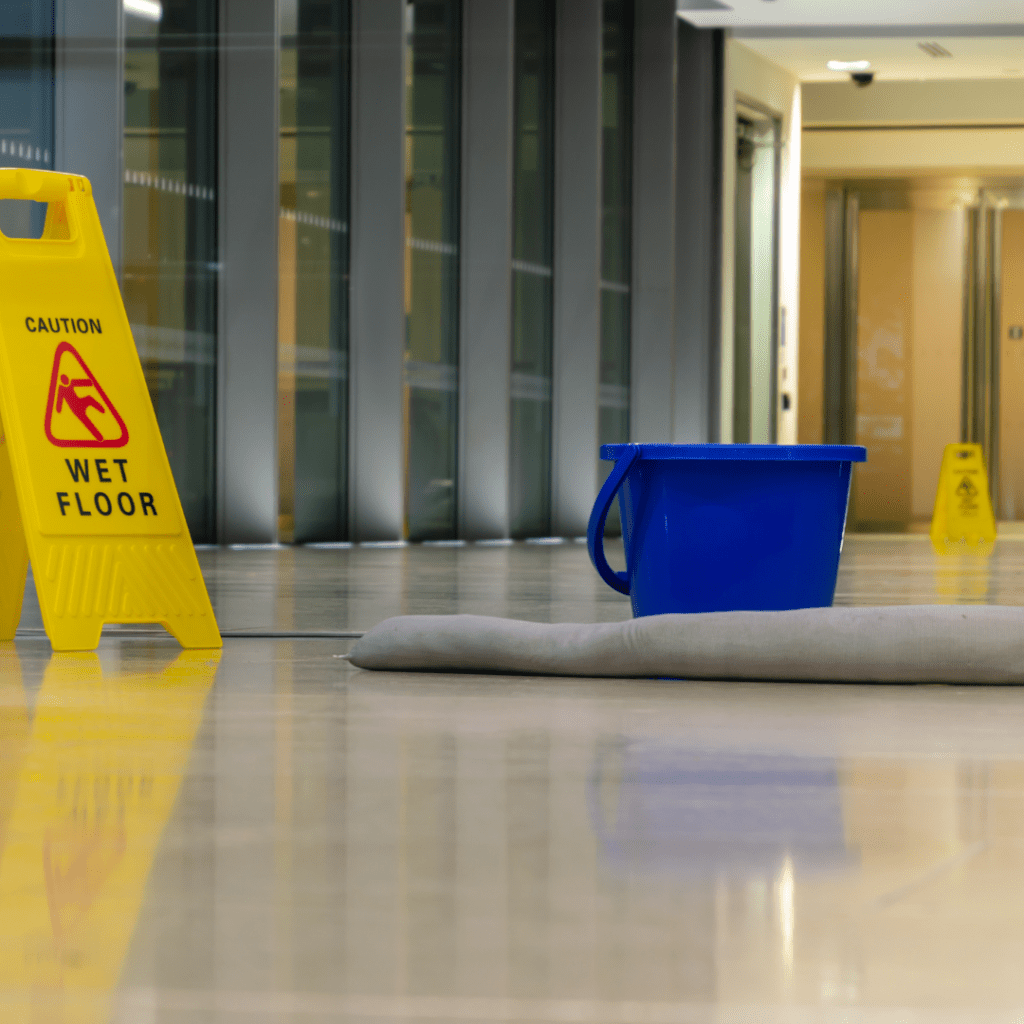
Common Area Maintenance: What’s Included? Common area maintenance (CAM) fees are a regular expense that owners of condos, townhomes, and other shared community properties pay to maintain the shared spaces and amenities. But what exactly do CAM fees cover? Getting a breakdown of CAM charges is important for understanding where your money goes and why proper funding of CAM is essential for every community. In this guide, we’ll look at: What is included in CAM fees Typical CAM expenses Importance of adequate CAM funding Calculating and budgeting CAM fees Tips for controlling CAM costs What Does Common Area Maintenance Cover? CAM fees account for the money required to properly maintain, repair, insure, and manage the shared spaces and amenities of a condo, co-op, townhome, or other common interest development. This includes: Common Area Facilities The most fundamental aspect of CAM is caring for the community’s common areas and facilities. This includes: Landscaping – Maintaining lawns, trees, planting beds, etc. Pest control – Controlling rodents, insects, etc. on community grounds Snow removal – Clearing snow from walkways, roads, parking lots Cleaning – Janitorial services for lobbies, hallways, community rooms, etc. Trash removal – Collecting and disposing of community garbage Pool maintenance – Cleaning, repairs, supplies, and lifeguards for pool(s) Fitness room management – Equipment costs, cleaning, repairs for workout rooms Playground/park maintenance – Upkeep of outdoor recreational equipment and features Parking lot repairs – Sealing, re-striping, pothole repairs, etc. for community lots Building exteriors – Power washing, paint touch-ups, roof repairs for community structures Property management fees – Cover costs of overseeing maintenance, enforcement, etc. Shared Utility Costs The community common areas often have utility systems separate from individual units. The costs of these shared utilities are also covered by CAM fees, such as: Water and sewer for irrigating landscaping, supplying pools and clubhouses, etc. Electricity for exterior lighting, recreational facilities, lobbies, hallways, etc. Gas for heating or powering appliances in common areas Garbage collection fees Cable, phone, and internet for amenities like gyms, clubhouses, pools, etc. Capital Improvements & Reserve Funds In addition to regular upkeep, CAM fees help save for future major repairs and replacements through capital reserves. Capital improvements may include: Clubhouse renovations Pool resurfacing Roof replacement Siding repairs Parking lot overlay Playground equipment replacement Major landscaping upgrades Setting aside stable reserve funds through CAM fees allows communities to budget for major projects and have funds on hand when upgrades are needed. This helps avoid special assessments or deferred maintenance when big-ticket projects arise. Insurance Coverage CAM also helps pay for insurance policies to protect the shared elements, including: Property/casualty for buildings, amenities, equipment Liability to cover injuries in common areas Directors and officers for board members Umbrella policy for extra liability Flood, earthquake, hurricane or other disaster insurance in some areas Administrative Costs The day-to-day administration of the community association is also paid through CAM fees. Administration costs may include: Management company fees Accounting fees Legal counsel retainer Office supplies/equipment Postage and printing Website hosting fees Bank charges Tax returns Why Adequate CAM Funding Matters Collecting sufficient CAM fees is crucial for properly maintaining shared community assets and providing amenities residents expect. Here’s why it’s important to adequately fund CAM: Preserves Asset Values – Keeping up with regular maintenance and repairs through CAM preserves the condition and extends the lifespan of association facilities. This supports property values community-wide. Avoids Special Assessments – Special assessments to pay for major unexpected repairs can cost thousands per owner. Regular CAM contributions to capital reserves helps avoid these ugly surprises. Provides Desired Amenities – Residents expect access to features like pools, fitness centers, trails, playgrounds, clubhouses, etc. Proper CAM funding keeps these amenities operating safely and reliably. Upholds Appearance – Well-maintained landscaping, fresh exterior paint, and pristine shared elements project a positive image and boost curb appeal, which helps attract buyers and residents. Promotes Safety –Adequate CAM pays for important safety measures like exterior lighting, routine inspections, pest control, snow removal, alarm monitoring, etc. Covers Legal Obligations – CAM helps the association meet its duty to maintain common areas to standard. Insufficient funding can result in lawsuits, fines, and government intervention. Controls Future CAM Increases – Keeping up today avoids deferred repairs that balloon into major expenses later, resulting in sudden CAM spikes down the road. How Much Should CAM Fees Be? So how much should owners expect to pay in CAM fees? Common charges typically range from: Condos – $200 to $500 per month Townhomes – $100 to $300 per month Single-family HOAs – $50 to $200 per month However, the appropriate budget depends on the association’s unique facilities and expenses. Things like shared walls versus detached homes, basic landscaping versus expansive grounds, a single pool versus multiple pools and playgrounds, high-rise versus garden-style, will all impact CAM contributions needed. CAM fees are also influenced by: Location – Fees tend to be higher in areas with extreme weather, due to costs like snow removal and roof repairs. Property Age – An older community with aging systems will require more repairs, increasing CAM needs. Prior Maintenance – Deferred maintenance leads to higher costs down the road. Staying on top of repairs keeps CAM steadier. Amenities/Services – More amenities and services mean increased staffing, upkeep, utilities, and costs. Reserve Balance – A low capital reserve balance will necessitate larger contributions to bulk up savings for big projects. Inflation – Rising costs for materials, labor, utilities, etc. will drive CAM fees upward. Governing Documents – High reserves, ample services, and ideal aesthetics mandated in association declarations necessitate appropriately higher fees. Overall, a prudent annual budget should be set based on the association’s needs and goals. The board then determines each owner’s share based on percentage or square footage owned. Getting Professional Assistance with CAM Budgeting Creating a comprehensive CAM
Technology to Improve Property Maintenance Workflow

Technology To Improve Property Maintenance Workflow For property managers, efficiently handling maintenance requests, coordinating with technicians, and keeping tenants happy can be challenging without the right tools. Fortunately, there are various technology solutions available today that can significantly streamline your maintenance workflow. In this article, we’ll explore some of the top options for property managers to consider to improve maintenance management. Property Management Software Robust property management software should be the core of your technology stack. It centralizes all the data, documents, and workflows related to your properties in an accessible, centralized platform. When evaluating options, look for the following key maintenance-related features: Maintenance request portal for tenants to submit issues. This allows for 24/7 intake of requests without relying on phone calls. Customizable request forms to gather details like unit number, type of issue, permissions for entry, photos, etc. Status tracking so tenants can monitor progress on fix requests. This improves transparency. Automatic tenant notifications when requests are submitted, updated, or completed. Helps set expectations. Mobile technician apps to assign work orders, provide instructions, set due dates, and gather updates. Keeps techs organized. Invoice generation and collection tools. Streamlines billing and payment collection. Reporting on maintenance spending, common issues, technician workload, etc. Identifies areas for improvement. Many platforms like Buildium, TenantCloud, and Propertyware offer these features specifically for maintenance workflow. The right software becomes the centralized hub for intake, assignation, communication, and tracking of all maintenance projects. Property Management Apps In addition to mobile access for technicians, many property managers leverage apps to remain productive on-site. Apps like Appfolio, Yardi Breeze, and Buildium provide access to tenant data, leases, requests, documents, and more right from a smartphone or tablet. By syncing with property management software, these apps allow managers to: View and respond to maintenance requests remotely Lookup tenant and unit details when on-site Take photos or videos of issues to document Provide status updates in real-time Access work orders, instructions, and history from anywhere This enables managers to multitask and handle maintenance needs without returning to a desk. It’s estimated that mobile property management apps help save 8-10 hours per week normally spent driving to and from the office. Smart Home Devices Internet-connected smart home devices have exploded in popularity in recent years. These devices can actually help property managers better maintain their rentals as well. For example, smart thermostats like Nest allow owners to adjust the temperature remotely. This is useful when tenants request an adjustment or units sit vacant. Smart locks allow keyless entry via coded passwords. Property managers can set permanent or temporary codes for maintenance staff or contractors to gain entry without making copies of keys. Smart lights can be automated or controlled remotely to give the appearance of an occupied unit when vacant. Smart cameras can also enhance security and help identify issues. All of these devices produce data and alerts that give managers better insight into each unit’s status. With proper tenant permissions, smart home tech takes preventative maintenance and remote access to the next level. Maintenance Scheduling Apps Basic calendar apps and spreadsheet schedules can make it difficult to coordinate personnel, vendors, and tenant availability for maintenance work. Specialized scheduling apps provide a better solution. AppFolio has a maintenance scheduling add-on that lets managers drag and drop tasks onto a calendar, set preferences for technicians, attach relevant files and notes, and track appointment status. Kickserv and HelpDesk offer similar visual scheduling and coordination features tailored for maintenance teams. Staff get reminders of upcoming appointments via email or push notification. These apps even allow tenants to select their preferred date and time for work orders. The scheduler shows tenant availability side-by-side with technician availability in a user-friendly calendar view. This makes coordination much simpler than endless emails and phone calls. Inventory Management Keeping track of parts, materials, tools, and supplies is another aspect of maintenance that technology is making easier. Inventory management apps allow managers to: Catalog all inventory with descriptions, photos, categories Track real-time availability and locations of items Set par inventory levels and be notified when stock runs low Generate purchase orders to replenish consumables Assign items to specific maintenance personnel Manage tool rental check-in/check-out Moving inventory tracking from spreadsheets to a mobile-accessible database saves time spent searching for items needed for a given work order. It also helps optimize spending on consumables and reduces waste. Conclusion Technology won’t eliminate all the hassles of property maintenance, but the right tools can certainly streamline workflows. The productivity gains, improved transparency, and enhanced organization enabled by software, mobile apps, smart home tech, scheduling assistants, and inventory management systems make life much easier for property managers and technicians. As with any new solution, training staff on getting the most from these platforms is key to realizing the benefits. But once adopted, the right maintenance tech stack will have a transformative impact on operations. If you’re looking for a reliable maintenance provider who takes advantage of the latest technology to deliver efficient, transparent service, contact Octo Property Services today! We offer free estimates, so you can see firsthand how our tech-enabled approach can streamline maintenance and repairs for your property.
Quality Turn Services for Move-In Ready Rentals

Rental Turnover Guide: San Diego Move-In Ready Services As a property manager in San Diego, you know how important it is to minimize vacancy times and keep your units occupied. But this can’t be done at the expense of properly preparing a unit for the next tenant. Rushing turn services or cutting corners on repairs and maintenance between tenants often ends up costing much more in the long run. Investing in high-quality turn services ensures your rentals are truly rent-ready for the next occupants. The Benefits of Thorough Turn Services Completing thorough turn services and repairs between tenants provides several key benefits: Reduced vacancy times – Quality workmanship allows you to return units to the market faster. When repairs are done right the first time, you avoid extended downtime for corrections or redo’s. Improved tenant satisfaction – New residents will be happy to move into a clean, updated, and well-maintained rental. This gets the relationship off on the right foot. Fewer issues during tenancy – Proactively addressing repairs and upgrades between tenants reduces maintenance calls during leases. This saves you time while improving tenant satisfaction. Extended lifespan of fixtures/appliances – Replacing worn items and updating dated finishes keeps the property looking its best and gets maximum life out of systems. Higher rental rates – Rent-ready units that are clean, updated, and in good repair can demand higher rents in your market. Reduced costs long-term – Timely repairs prevent small issues from becoming major headaches down the road. Redecorating and updating units keeps them competitive. By partnering with a professional, reliable turn services company, you can ensure your San Diego rentals check all the boxes when it comes to being truly rent-ready. Key Services to Prepare Rentals Between Tenants So, what should high-quality turn services include to guarantee your units are market-ready? Here are some key services to look for: Interior Painting – Having walls repainted between tenants is often the single best investment you can make to revive your property. Scuffs, stains, and faded or dated paint make units feel worn. A fresh coat of neutral paint makes rooms look clean, bright, and updated. Be sure painters caulk and repair drywall damage during the process. Cleaning from Floor to Ceiling – Your turn services should include top-to-bottom cleaning of all interior living spaces and appliances. Kitchens and bathrooms in particular accumulate grime that requires heavy-duty scrubbing. Walls, baseboards, windows, and fixtures should be spotless for new tenants. Carpet/Flooring Repairs – Rips, tears, pet stains, and water damage to carpet and flooring can’t simply be concealed between tenants. These items should be fully repaired or replaced. Hard floor scratches should also be addressed and re-finished if needed. Appliance Maintenance – Refrigerators, stoves, and other included appliances should be serviced, repaired if necessary, and cleaned inside and out. This ensures everything is in good working order for the next residents. Countertop Resurfacing – Chipped, stained, or dated countertops instantly make a kitchen look worn. Resurfacing or replacing countertops cost-effectively provides a whole new look. Make sure walls are protected during the process. Cabinet Refinishing – Kitchen cabinets with chipped finishes or outdated stains can also get economical facelifts between tenants. Refinishing or re-painting makes cabinets look like new again. Replacing worn hardware also provides big visual impact. Fixture Upgrades – Replacing outdated light fixtures immediately modernizes a rental. New styles don’t have to be expensive. Simple, clean designs work with many décors. Replacing showerheads and faucets also refreshes bathrooms affordably. Outdoor Maintenance – Curb appeal matters, so be sure the exterior is pressure-washed and painted if needed. Lawns should be mowed and edged, bushes trimmed, and leaves/debris cleaned from the property. Check fences, outdoor structures, and walkways too. Pest Control – Treatment Don’t pass bed bugs, cockroaches, or other pests along to the next tenants. Professional pest control treatment and prevention between occupancies is essential. Safety Upgrades – Finally, use the turnover timeframe to address any safety concerns like loose railings, damaged walkways, faulty garage doors, old electrical systems, missing smoke detectors, etc. By thoroughly addressing repairs, cleaning, maintenance, and upgrades between occupancies, you’ll provide new tenants with a rental they’ll be excited to move into. Choosing the Right Turn Services Company Partnering with the right contractor for your turnover and renovation work is key to delivering rent-ready units efficiently. Look for these traits in potential providers: Specialized in rental turn services – Choose a provider focused on the unique needs of preparing rentals between tenants. Available on short notice – Turnover timelines are often tight, so you need a contractor who can start work quickly. Fast, reliable services – Look for contractors who work swiftly without cutting corners and stand behind their workmanship. One-stop services – Opt for providers who can handle a wide range of rental make-ready services all under one roof. Pricing transparency – Beware of lowball quotes that balloon once work starts. Reputable contractors provide clear pricing upfront. Solid reputation – Check reviews and references to verify quality of work and reliability meeting deadlines. Licensed and insured – Don’t risk liability by partnering with unlicensed contractors. Make sure they carry adequate business insurance too. By choosing Octo Property Services, you can feel confident we will deliver your units rent-ready ASAP. Keep Your Rentals Filled In competitive rental markets like San Diego, keeping your units occupied is how you maintain positive cash flow. By investing in high-quality turn services and repairs between tenants, you can minimize vacancy times while attracting top rents from satisfied incoming residents. Regularly maintaining your properties also reduces headaches from maintenance issues down the road. Conclusion… If you’re looking for a reliable turn services provider who can deliver your San Diego rentals rent-ready quickly and affordably, contact Octo Property Services today. We specialize in helping property managers like you reduce turnover times while providing thorough, high-quality workmanship. Get in touch to learn more about our
Efficient Tips for Handling Maintenance Requests

How to Handle Maintenance Requests from Tenants As a property manager or landlord, efficiently handling maintenance requests is essential for ensuring tenant satisfaction and preserving the value of your properties. By promptly addressing maintenance issues, you can minimize disruptions and create a positive living environment. In this blog post, we will provide you with valuable tips on how to handle maintenance requests efficiently. To streamline maintenance request handling, it’s important to establish a clear maintenance management system. This system should consist of at minimum the following: Property Maintenance Checklist: Develop a comprehensive property maintenance checklist to guide your maintenance staff. This checklist should cover routine tasks such as HVAC inspections, plumbing checks, electrical system evaluations, and more. Regularly review and update this checklist to ensure it remains relevant and covers all necessary areas of maintenance. Maintenance Company Collaboration: Establish partnerships with reliable maintenance companies that specialize in different aspects of property maintenance. Collaborating with professionals make it so that you have a dedicated team available to handle more complex repair issues promptly. Implement a Maintenance Request Process Creating a structured maintenance request process enables you to manage requests efficiently and respond promptly to tenants’ concerns. Here are the key steps to consider: Centralized Reporting: Set up a centralized platform, such as an online portal or email system, for tenants to submit their maintenance requests. This centralization helps streamline communication and prevents requests from falling through the cracks. Detailed Information Gathering: Encourage tenants to provide detailed information when submitting maintenance requests. This includes a description of the issue, location, and any accompanying photos. Gathering thorough information upfront helps maintenance staff to understand the problem accurately, saving time and resources. Categorization and Prioritization: Create a system for categorizing maintenance requests based on urgency and severity. Implement a priority system that differentiates between emergency repairs and non-urgent tasks. This allows your maintenance team to address critical issues promptly while managing routine repairs efficiently. Develop a Maintenance Schedule Having a well-defined maintenance schedule ensures that you stay on top of routine tasks and inspections, reducing the likelihood of unexpected repairs and prolonging the lifespan of your property. Consider the following steps when creating a maintenance schedule: Regular Inspections: Conduct regular property inspections to identify any potential maintenance issues early on. Inspect the building’s exterior, common areas, and individual units. This proactive approach allows you to address minor problems before they escalate into major repairs. Preventive Maintenance: Implement preventive maintenance measures such as regular HVAC servicing, gutter cleaning, and fire safety equipment inspections. By taking preventive action, you can minimize the occurrence of costly repairs and extend the life of your property. Annual Planning: Develop an annual maintenance plan that outlines specific tasks to be completed each month or quarter. This plan can include tasks such as painting, carpet cleaning, landscaping, and more. Staying organized and following a set schedule improves efficiency and ensures timely maintenance. Communicate Effectively with Tenants Maintaining open lines of communication with your tenants is crucial for efficient maintenance request handling. Effective communication ensures that tenants feel heard and understood. Consider the following communication strategies: Acknowledge Receipt of Requests: Send an automated acknowledgment email to tenants when they submit maintenance requests. This provides assurance that their concerns have been received and are being addressed. Timely Updates: Keep tenants informed about the status of their maintenance requests. Send regular updates, especially if repairs require additional time or specialized expertise. Transparency builds trust and demonstrates your commitment to addressing their concerns. Proactive Communication: Don’t wait for tenants to report issues. Regularly communicate with tenants to identify any maintenance concerns they may have missed. Conduct surveys or host town hall meetings to gather feedback and ensure that all maintenance needs are met promptly. Conclusion Efficient maintenance request handling is a crucial aspect of successful property management. By implementing the tips mentioned above and creating a clear maintenance management system, you can ensure that maintenance requests are handled promptly and efficiently. Are you a rental property owner in San Diego seeking a reliable maintenance partner? Octo Property Services provides customized service plans to efficiently handle repairs, upkeep and tenant requests for your rental. Contact us today for a free estimate to see how our team can optimize maintenance operations and maximize your rental income!